A registry of FIDESZ-connected public figures
János Áder
Gyula Balásy
Zoltán Balog

Zsolt Bayer

Balázs Bende
Dániel Bohár
Zsolt Borkai
Zoltán Fekete-Szalóky

Gábor Gönczi

Gergely Gulyás

Árpád Habony

Tünde Handó
Balázs Hankó
Péter Hoppál

Jaber
Gellért Jászai
JCDecaux Hungary

Csaba Káel
Monika Karas
Máté Kocsis

Zsófia Koncz

Lajos Kósa

Zoltán Kovács
László Kövér

Zita Kroó
Gábor Kubatov

János Lázár

Gábor Liszkay

Lotfi Begi

Anikó Marsi
Ádám Matolcsy
György Matolcsy

Megafon Központ
Mészáros Lőrinc

Sándor Németh

Szilárd Németh
Németh Zsolt

György Nógrádi
Katalin Novák

Orbán Ráhel
Viktor Orbán

Ilona Pálffy
Papp Dániel
Sándor Pintér
Zoltán Pokorni

Péter Polt

Zsófia Rácz
Rákay Philip

Zoltán Rákosfalvy
Rogán Antal

György Schadl

Lajos Simicska

Somlai Bálint
István Stumpf

József Szájer
Annamária Szalai

Vivien Szalai
Kristóf Szalay-Bobrovniczky
Vajk Szente
Péter Szijjártó
György Szöllősi
Pál Szombathy

István Tiborcz

László Trócsányi

Gergely Váczi

András Zs. Varga

Judit Varga
Attila Várhegyi
Miklós Vaszily
Vilmos Velkovics

Eszter Vitályos

Pál Völner
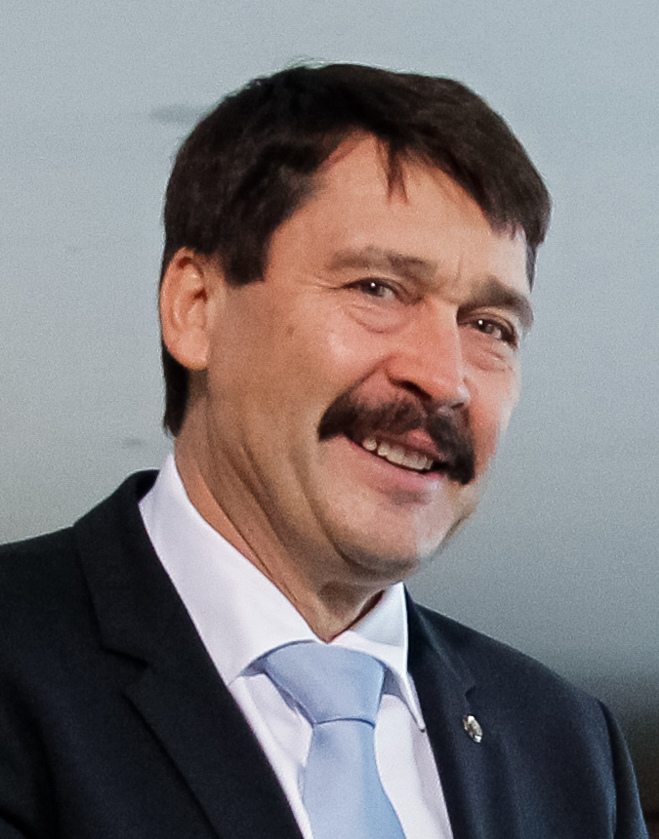
János Áder
Consistently signed Fidesz's most illiberal legislation into law, including the ban on legal gender recognition despite clear human-rights concerns. Served as a rubber stamp for the regime's constitutional changes rather than exercising the presidential check function.
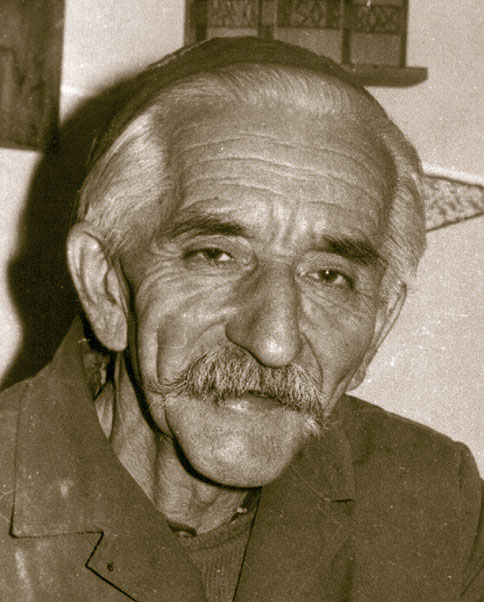
Gyula Balásy
Gyula Balásy built a de facto monopoly over state communications tenders through his companies Lounge Design and New Land Media, with procurement conditions routinely tailored to match his firms' specific capabilities. His companies served as the primary contractors behind the government's major propaganda campaigns, including national consultations and waves of anti-EU and anti-migrant billboards, all funded at prices that vastly exceeded market rates. Former Student Loan Center CEO Péter Magyar publicly accused Balásy of delivering substandard work at several times the going market price, pointing to systematic overpricing of public contracts. The cumulative effect has been the concentration of billions in state communications spending within a single Fidesz-aligned group, crowding out genuine competition and directing public funds toward politically motivated advertising.
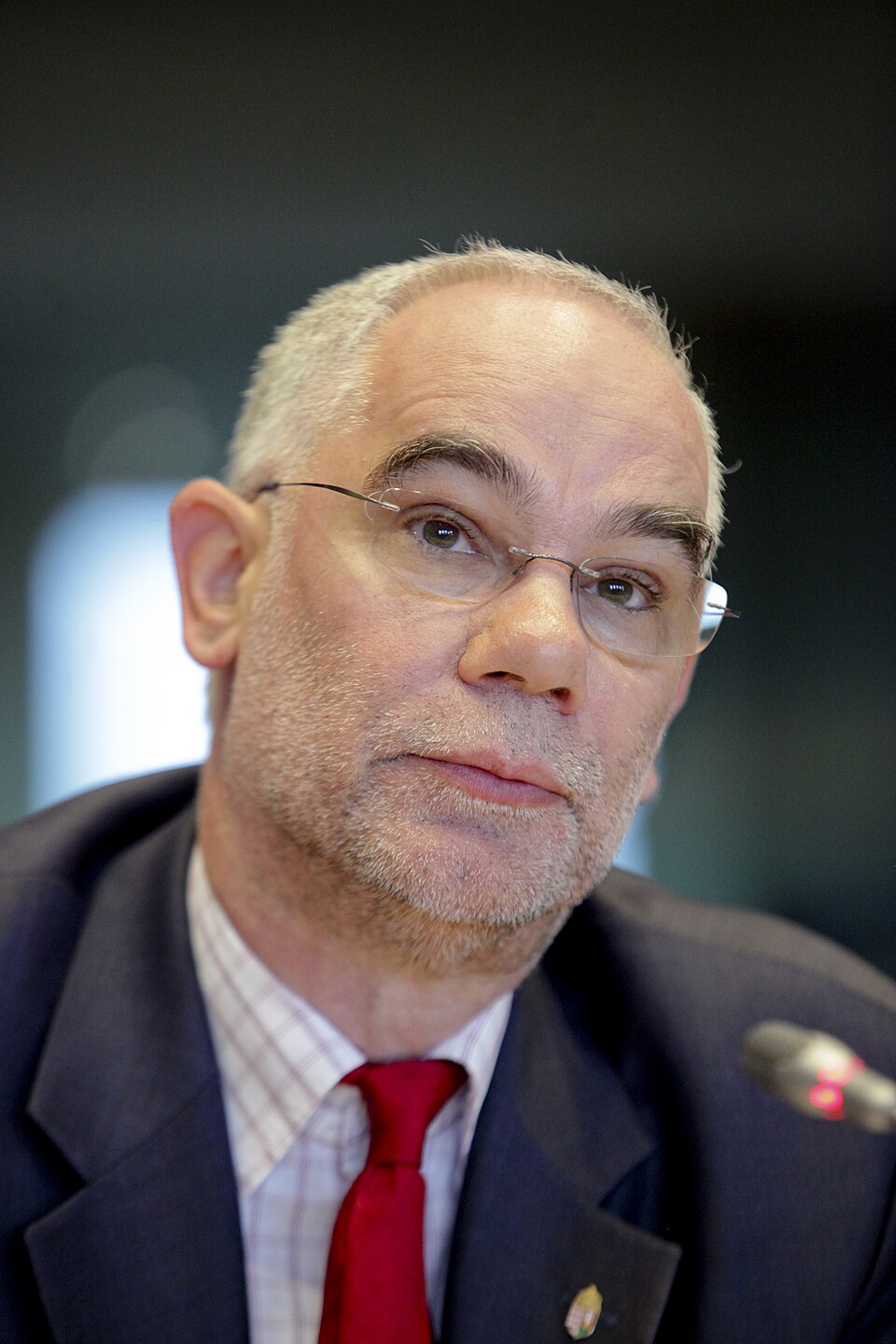
Zoltán Balog
Investigations and insider sources show he strongly pushed for the controversial presidential pardon that toppled Novák, protecting a church-linked abuser's accomplice. The scandal exposed how political and religious power networks intersect to shield perpetrators in the Orbán system.
Zsolt Bayer
Zsolt Bayer, a founding member of Fidesz, has spent decades as one of Hungary's most prominent purveyors of hate speech, insulated from serious consequence by his close personal ties to the governing party. His writings about Roma people, in which he called them 'animals' unfit to live among humans, helped mainstream extreme racist rhetoric from within the ruling party's inner circle. During the refugee crisis he described all male refugees over fourteen as 'potential terrorists', lending intellectual cover to the government's xenophobic communications strategy. Despite repeated hate-speech fines and an international outcry that prompted other Hungarian public figures to return their own state honours in protest, Bayer himself was awarded a state decoration — a clear signal that such rhetoric carries no penalty within the system.
Balázs Bende
He was recorded telling newsroom staff that "this institution does not support the opposition alliance" and that their job is to help the government. He uses his show "Világ" to praise government policies and attack perceived enemies such as Soros. During the 2022 elections, he openly agitated for the government on air on the eve of voting using a taxpayer-funded channel. This has made him a symbolic figure in the reduction of public media to a party propaganda tool. His conduct fundamentally violates the principles of journalistic independence and public service media.
Dániel Bohár
Dániel Bohár is one of the most visible faces of the Megafon Center, operating at the front line of state-backed influence operations on social media. He is a regular participant in sponsored disinformation campaigns targeting opposition figures, the European Union, and the war in Ukraine, with activity that intensified sharply in the run-up to the 2024 European Parliament elections. Tens of millions of forints were channeled into emotionally manipulative 'war-scare' videos and smear content distributed through his platforms, reaching millions of views during the campaign period. An EDMO investigation found that sponsored disinformation ran rampant in Hungary during the EU election campaign, with Bohár's content playing a central role — and noted that social media platforms profited significantly from carrying it.
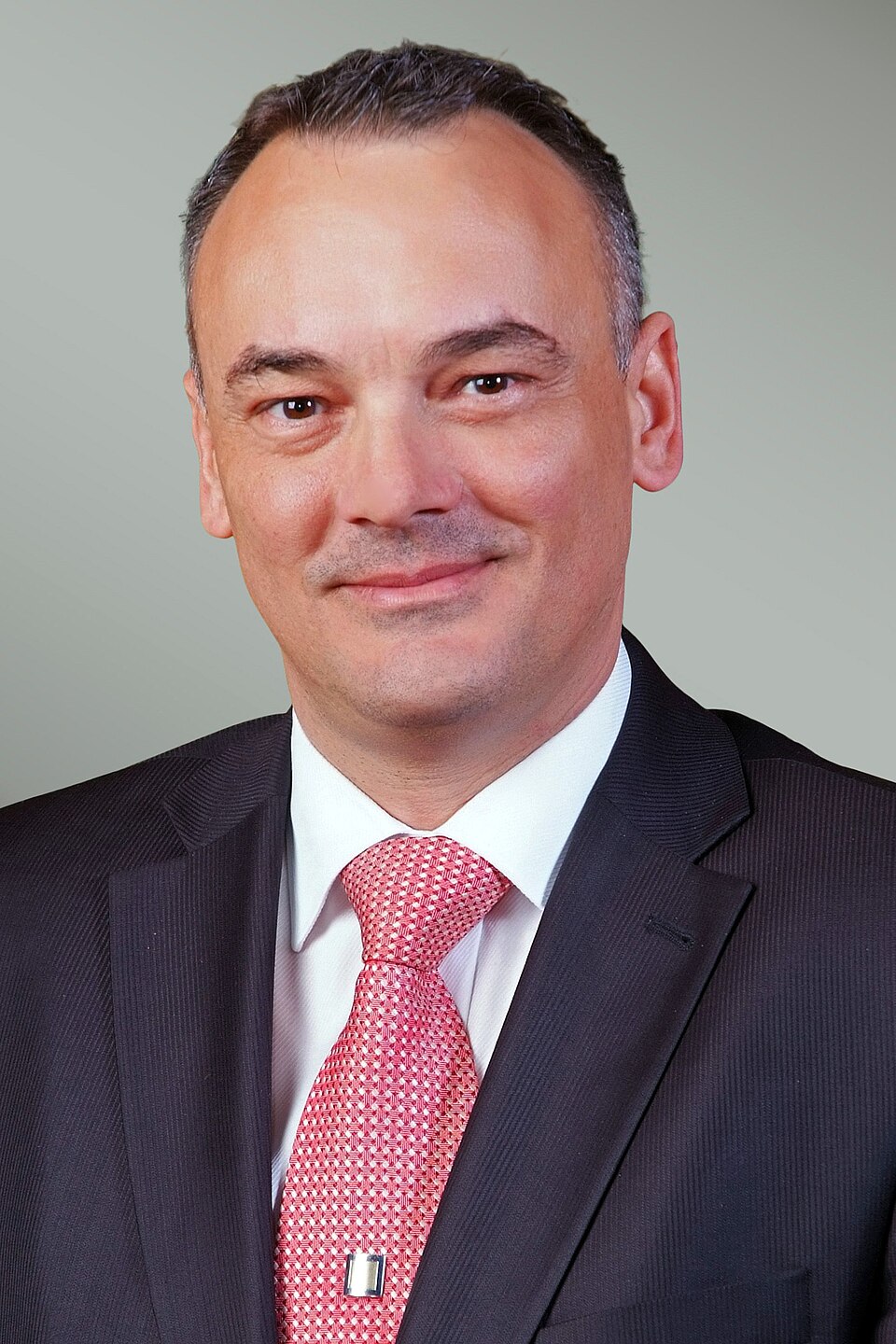
Zsolt Borkai
Exposed in a yacht sex-and-corruption scandal involving an offshore-linked lawyer and Audi real-estate deals. The scandal became a symbol of how local Fidesz elites mix public office, EU-funded developments and private luxury. Eventually resigned but faced no criminal prosecution.
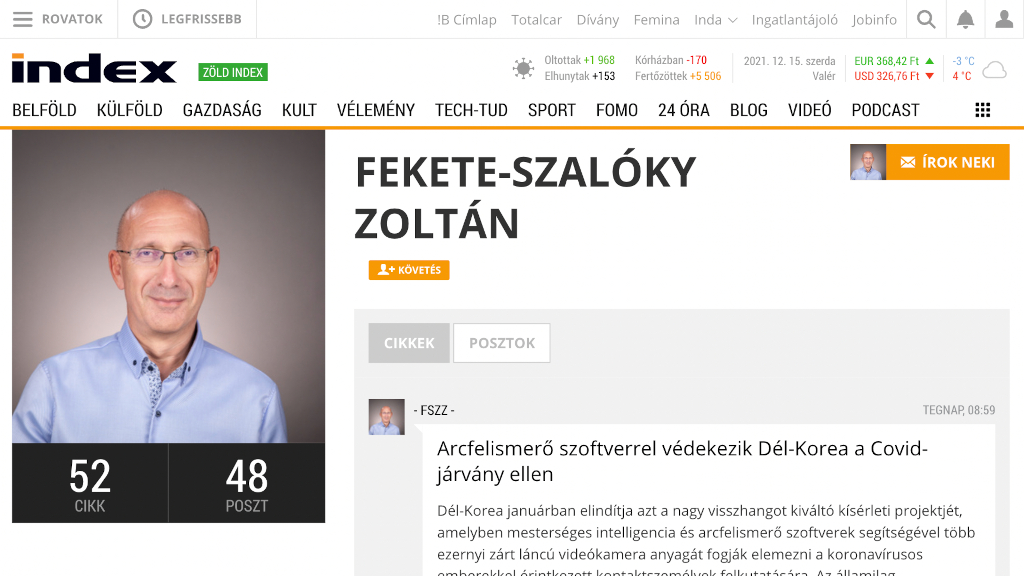
Zoltán Fekete-Szalóky
Zoltán Fekete-Szalóky became a central figure in Index's transformation following the oligarchic capture of Hungary's most-read news portal. He openly acknowledged that Lőrinc Mészáros — the billionaire oligarch closest to Viktor Orbán — is among the financial backers of Index, while continuing to present the outlet as an independent voice. His tenure has been marked by fawning, PR-style interviews with regime-aligned businessmen, most notoriously a piece with László Szíjj that media analysts described as a case study in sycophantic journalism. The result is a portal that retains the reach and brand credibility of a legacy independent outlet while increasingly embedding propagandistic content — a model far more effective than overtly state-run media.
Gábor Gönczi
Co-host of TV2's "Tények", a flagship government propaganda programme that airs smear pieces against the opposition. He participated in 2018 and 2022 campaign videos explicitly announcing he would vote for Orbán and urging viewers to do the same, leading to multi-million forint election-law fines against TV2. He recently took part in Orbán-linked Digital Civic Circles (DPK), further blurring the line between news journalism and party campaigning. His conduct is a textbook example of the complete abandonment of editorial independence in public affairs journalism.
Gergely Gulyás
Key public face of the weekly "Kormányinfó" press conferences, which serve as a central instrument of government spin, opposition attacks, and reframing of scandals as conspiracies. He regularly defends controversial government positions toward the EU, NATO and Ukraine, portraying foreign criticism as attacks on sovereignty. As an intellectual architect of post-2010 constitutional changes, he played a key role in designing institutional reforms that weakened checks and balances and consolidated power. His conduct makes him a symbolic figure in the deliberate dismantling of the democratic institutional framework.
Árpád Habony
Widely credited as the architect of Fidesz's fake-news-driven, anti-immigration propaganda strategy. Later became co-owner of V4NA news agency and a key figure in consolidating hundreds of pro-government outlets into the KESMA conglomerate, centralising media control.
Tünde Handó
Given exceptional powers to appoint, transfer and discipline judges, sidelining the National Judicial Council and breaching European standards on judicial independence. Created a centralised, politically controlled court administration that undermined the separation of powers.
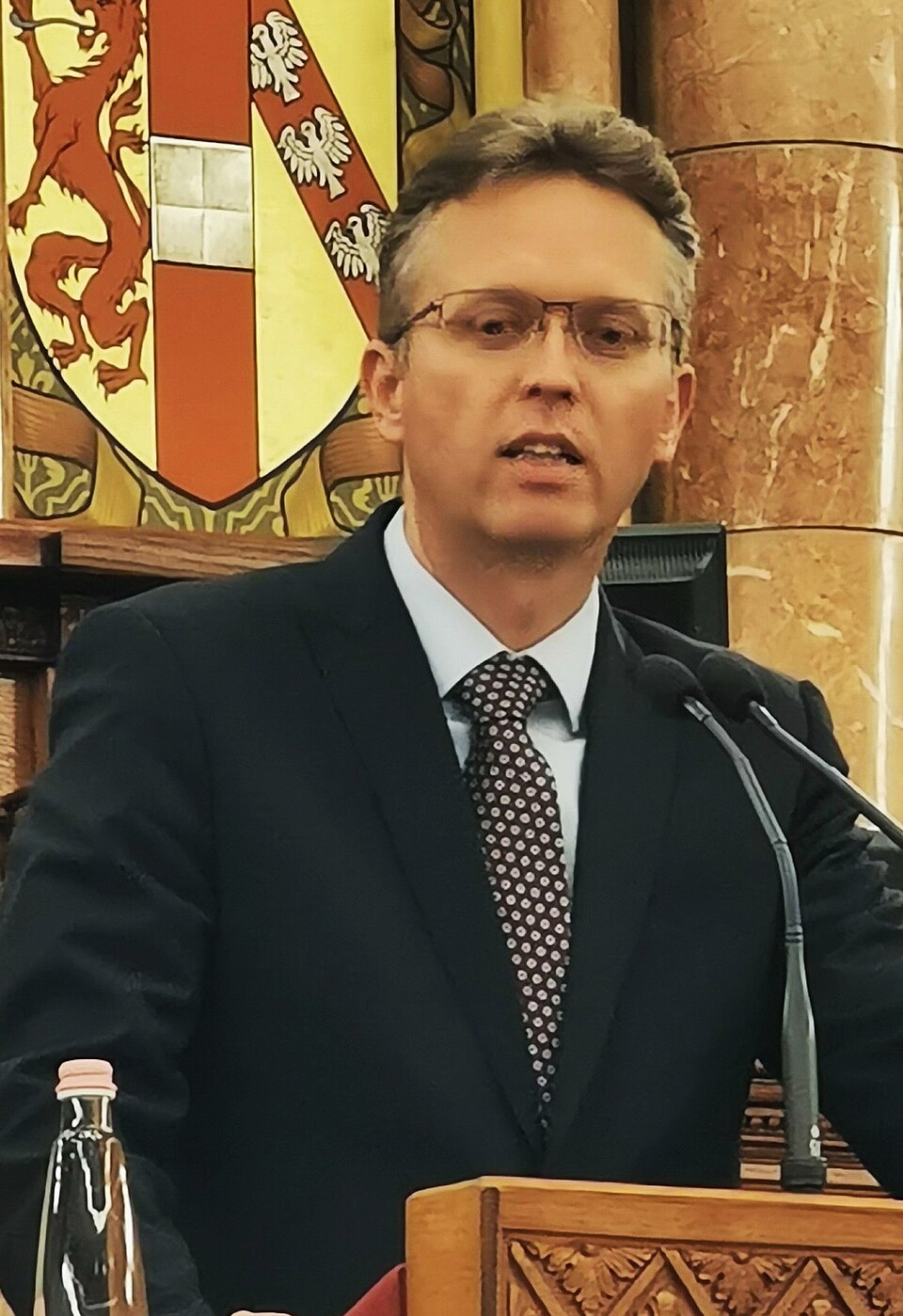
Balázs Hankó
As minister, Balázs Hankó was a key architect of the university governance reforms that prompted the European Commission to suspend Erasmus+ and Horizon funding for Hungarian institutions, directly harming tens of thousands of Hungarian students and researchers. Rather than seeking legal accommodation with Brussels, Hankó publicly framed the EU's concerns as politically motivated attacks, amplifying anti-EU sentiment domestically while the funding freeze deepened. He simultaneously professed to defend students' interests in press statements while blocking compromise arrangements that would have restored funding by relaxing government control over university boards. The pattern reflects a broader policy of replacing autonomous academic institutions with politically loyal boards, subordinating Hungarian higher education to the governing party's ideological agenda.
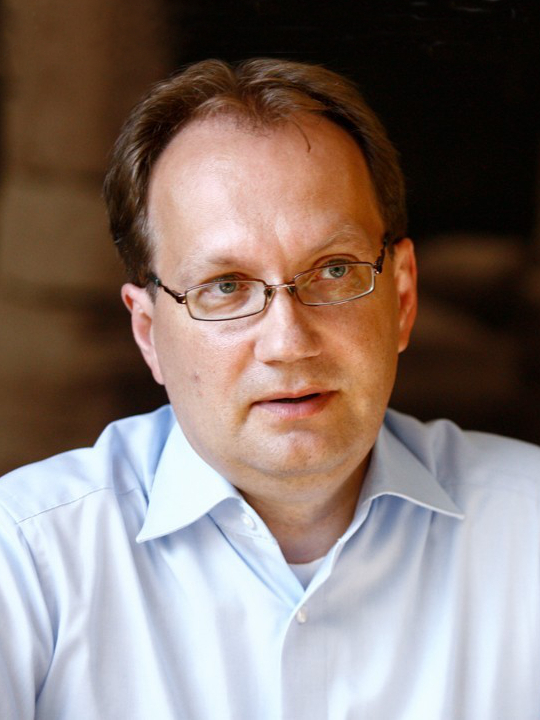
Péter Hoppál
Péter Hoppál, a Fidesz MP and former State Secretary for Culture, has served as a loyal cultural foot-soldier of the regime, lending his name and public platform to campaign songs and personality-cult materials glorifying Viktor Orbán and the ruling party. Alongside this propagandistic role, he has faced questions about the misuse of public funds: his wife received millions of forints through municipal communications contracts for which no evidence of actual work delivered could be found. His political career has been defined by consistent support for bringing cultural institutions under tighter government control, in line with Fidesz's broader project of ideological hegemony over Hungary's public life. The combination of performative loyalty and alleged private enrichment through public office makes him emblematic of the system's incentive structure.
Jaber
He appears as a pro-government campaign face in Orbán-aligned formats including Mandiner and Digital Civic Circles, using video messages to attack Péter Magyar and defend the government's narrative. He helps personalise and soften Fidesz's hardline messaging for younger audiences, framing criticism of the regime as endangering fellow Hungarians. He has become a symbol of how pop culture and minority figures are integrated into Fidesz's communication ecosystem. His activities illustrate how the regime uses cultural figures to legitimise its political goals.
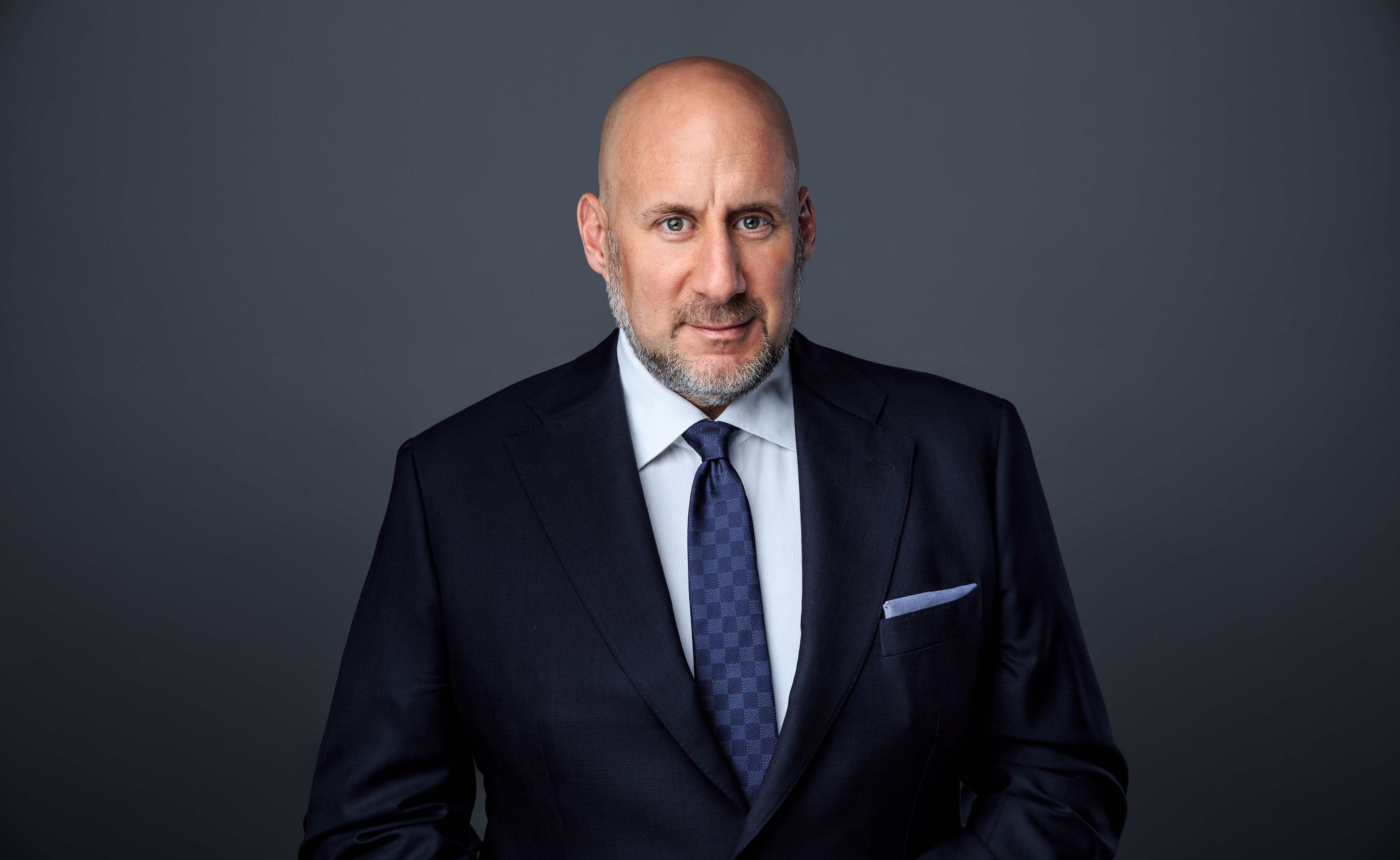
Gellért Jászai
Gellért Jászai, as CEO of 4iG, has become one of the most politically connected business beneficiaries of the Fidesz system, presiding over a company whose explosive growth owes far more to state patronage than to market competition. Investigations by Direkt36 revealed that billions in state funds were secretly channeled into 4iG through private equity vehicles, enabling the company to acquire defence and telecommunications firms from the state under opaque conditions. The acquisition of Vodafone Hungary drew particular scrutiny, with analysts and critics questioning both the role of the state in facilitating the deal and whether the price reflected genuine market value. Jászai sits at the centre of a pattern in which a private company becomes systemically critical precisely because of its political connections, making it too embedded to scrutinise and too profitable to reform.
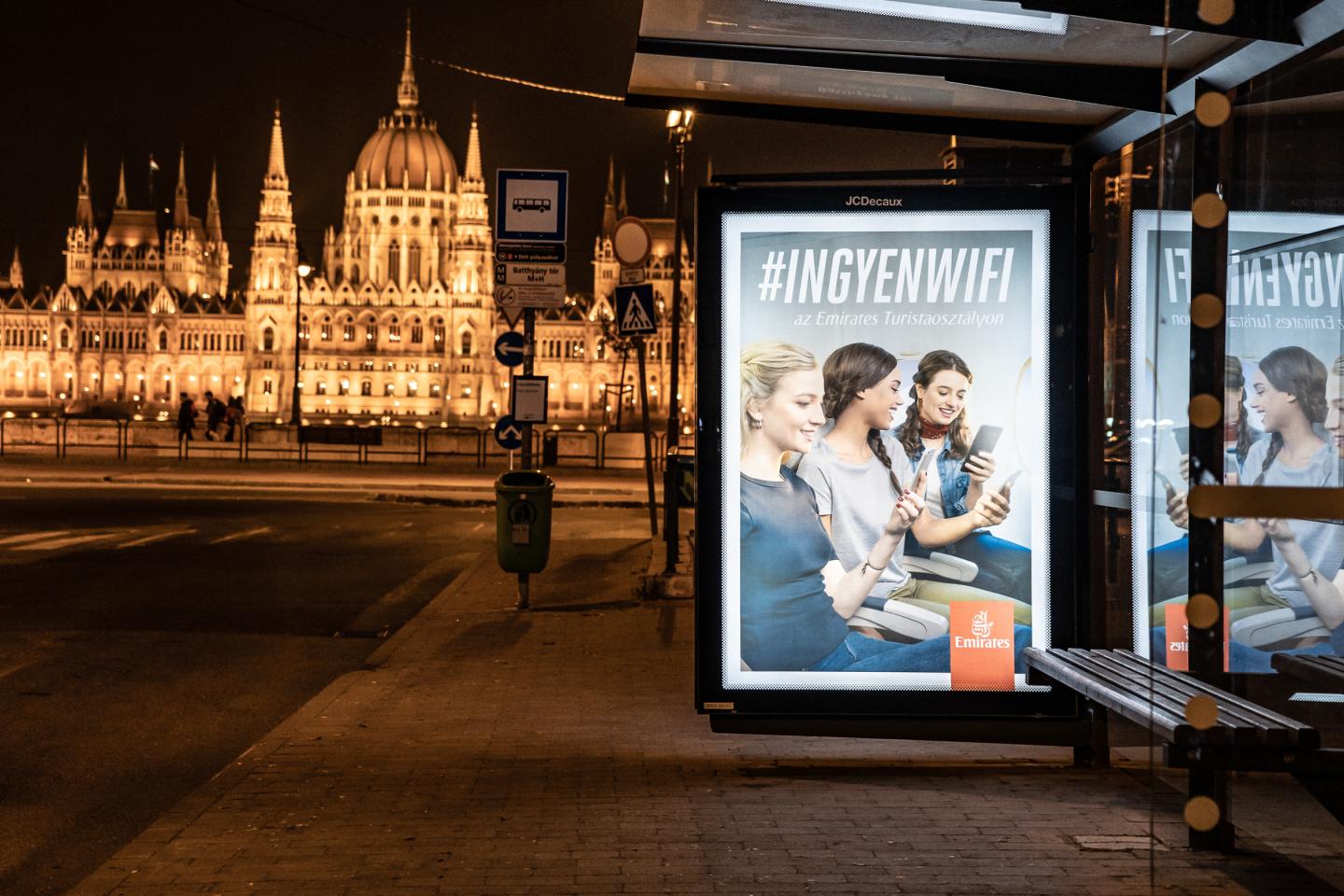
JCDecaux Hungary
JCDecaux Hungary operated in an outdoor advertising market where pro-government forces vastly outspent the opposition on billboard campaigns, systematically blurring the line between legitimate public information and partisan propaganda. The company provided space for CÖF and other government-aligned civil organisations (GONGOs) that deployed anti-EU, anti-migration, and anti-opposition messaging financed with public funds. At the same time, Fidesz-linked outdoor advertising firms offered extreme discounts exclusively to the ruling party, distorting the conditions for political communication. Multiple analyses have characterised the structure of this market and the opacity of advertising rates as a deliberate manipulation of the information environment.
Csaba Káel
As government commissioner for film and president of the National Film Institute, Csaba Káel oversaw a system in which the allocation of state film funding increasingly favoured projects aligned with government narratives. Under his leadership the domestic film industry underwent rapid expansion, its financial foundations resting heavily on state incentives decided through opaque processes. Multiple professional sources reported that screenplays by government-critical filmmakers were more likely to be rejected than those from politically neutral or sympathetic applicants. Káel's mandate expired in spring 2026; the NFI subsequently announced a suspension of film financing until the next change of government.
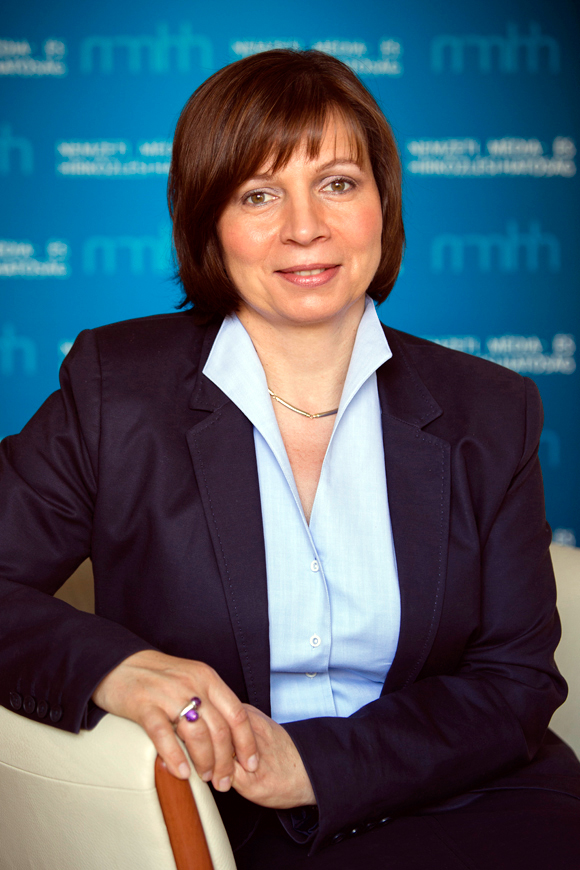
Monika Karas
Succeeded Annamária Szalai as head of the media authority, also with a Fidesz background. Presided over an authority where all council members were Fidesz nominees, cementing regulatory capture over public and commercial media. Broadcast licensing under her tenure consistently favoured government-aligned outlets. The authority's work became an instrument for the systematic marginalisation of independent media.
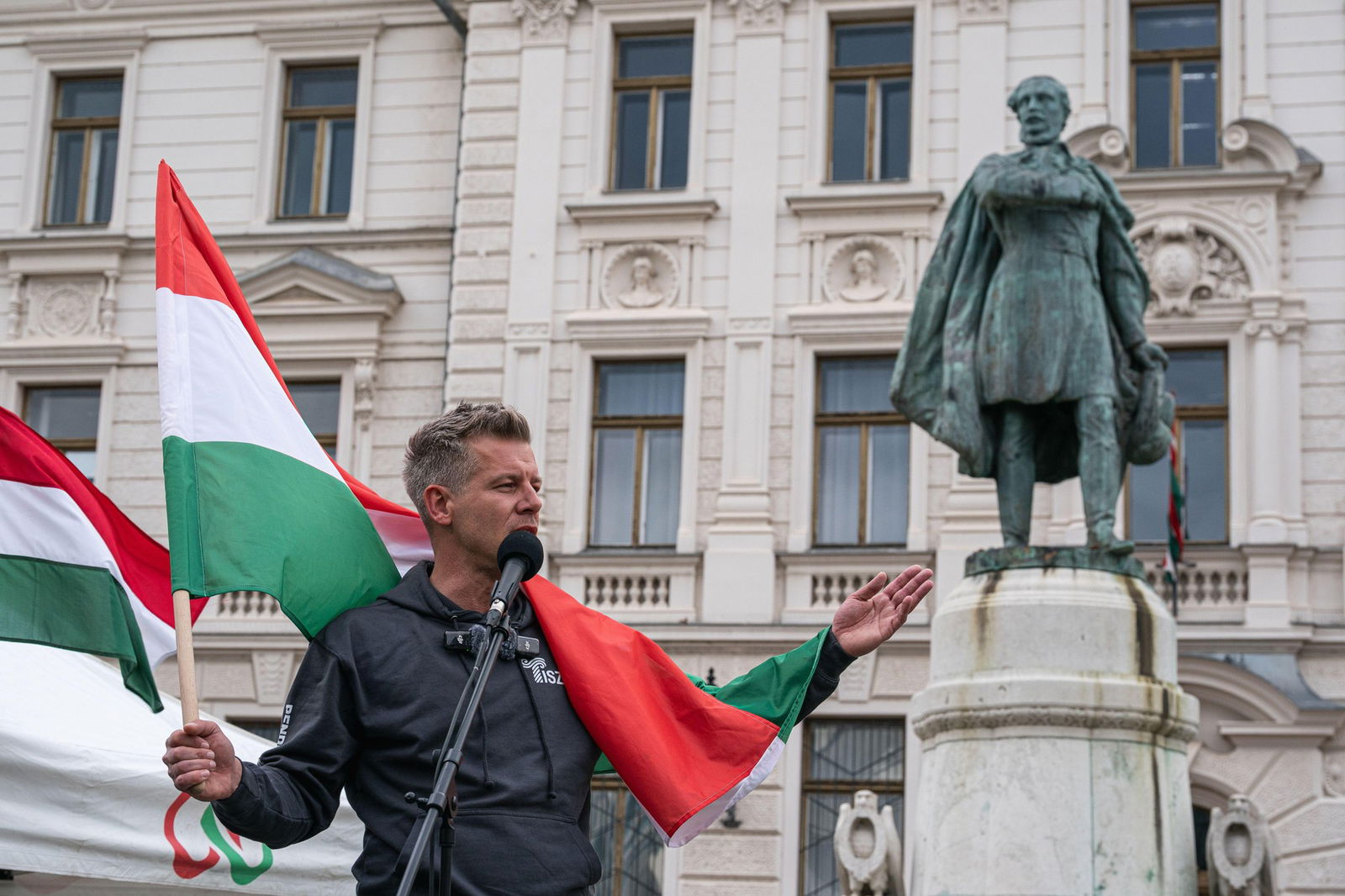
Máté Kocsis
Máté Kocsis became one of the most recognisable faces of Fidesz's culture-war agenda through openly homophobic statements, most notoriously his declaration of 'Long live hetero pride!' mocking an opposition lesbian politician. He consistently used his public platform to attack independent media outlets and opposition figures, amplifying government propaganda narratives. As Fidesz Budapest president and parliamentary group leader, he played a central role in driving the party's hard-line cultural politics in the capital. His conduct forms part of a deliberate political strategy that narrows the space for tolerance and pluralism in public discourse.
Zsófia Koncz
She won the 2020 Borsod-6 by-election to preserve Fidesz's constitutional two-thirds supermajority, nominated to replace her deceased father in a heavily personalised campaign. She secured her mandate on an uneven media playing field where government media deployed all resources to frame the race in Fidesz's favour. As a young Fidesz MP, she supports the continuation of illiberal constitutional and electoral rules that entrench the ruling party's dominance. Her mandate is a symbol of the intertwining of political inheritance and systemic reproduction.
Lajos Kósa
Deeply entangled in the "Csenger inheritance" affair, where a housewife promised him control over a fictitious 1,300-billion-forint fortune. Documents show enormous sums were to be gifted to his mother and wife, raising unresolved questions about his judgement and potential corruption.
Zoltán Kovács
Key public face of the anti-NGO "Stop Soros" and anti-migrant campaigns, defending punitive NGO taxes and spreading conspiratorial claims about a "Soros network" orchestrating migrant "attacks" and unrest across Europe. Served as the central figure in the government's international propaganda efforts to justify illiberal policies to foreign audiences. His role involved systematically misrepresenting civil society organisations as foreign agents rather than legitimate watchdogs.
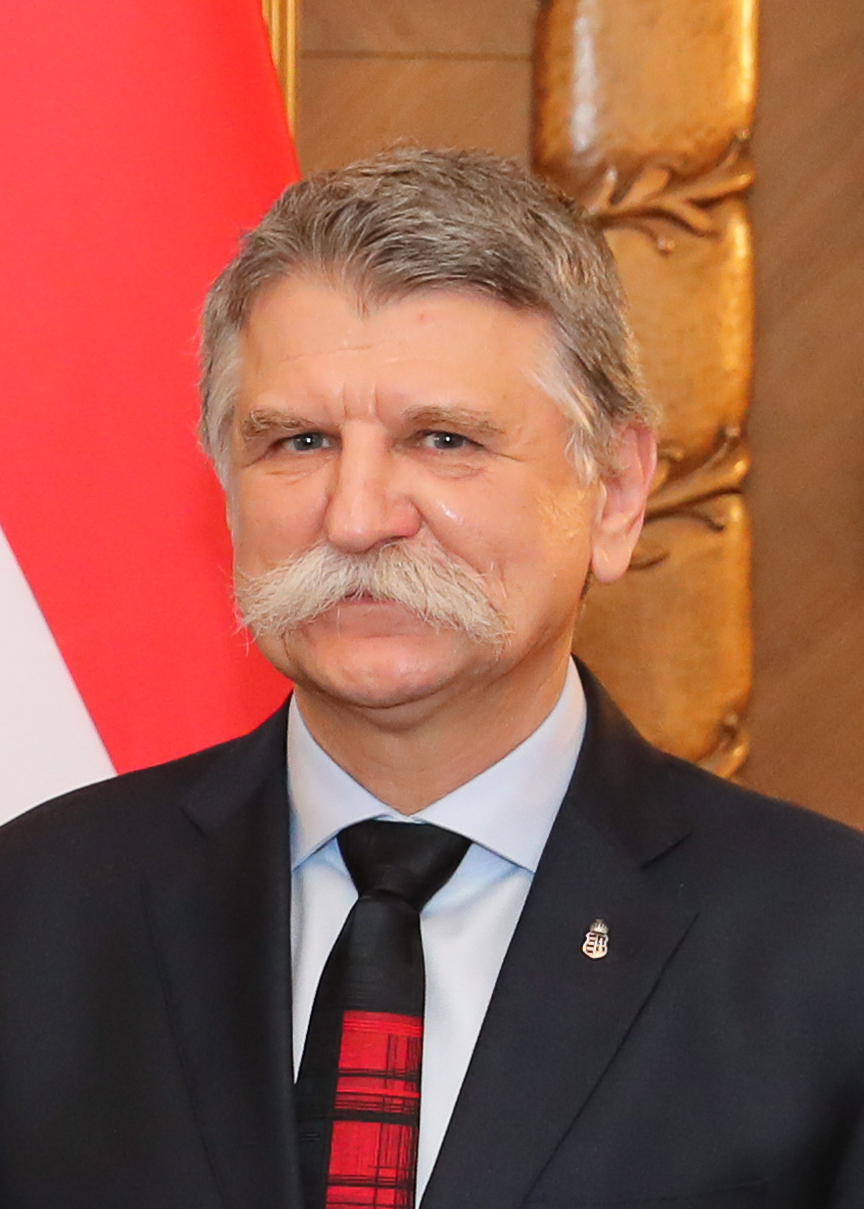
László Kövér
Uses disciplinary powers to impose massive fines and unprecedented bans on opposition MPs for protests, repeatedly violating free-speech rights as confirmed by the Strasbourg court. Blocks opposition events in Parliament including LGBTQ-related ones, and wields procedural powers to silence dissent.
Zita Kroó
She moved from Origo to PestiSrácok and other pro-government outlets, participating in a media ecosystem that routinely produces smear pieces against the opposition and civil society. She contributes to highly partisan online narratives that complement TV propaganda. She helps normalise a style of political journalism where government talking points are amplified uncritically as news. Her activities reinforce the gradual dismantling of media pluralism.
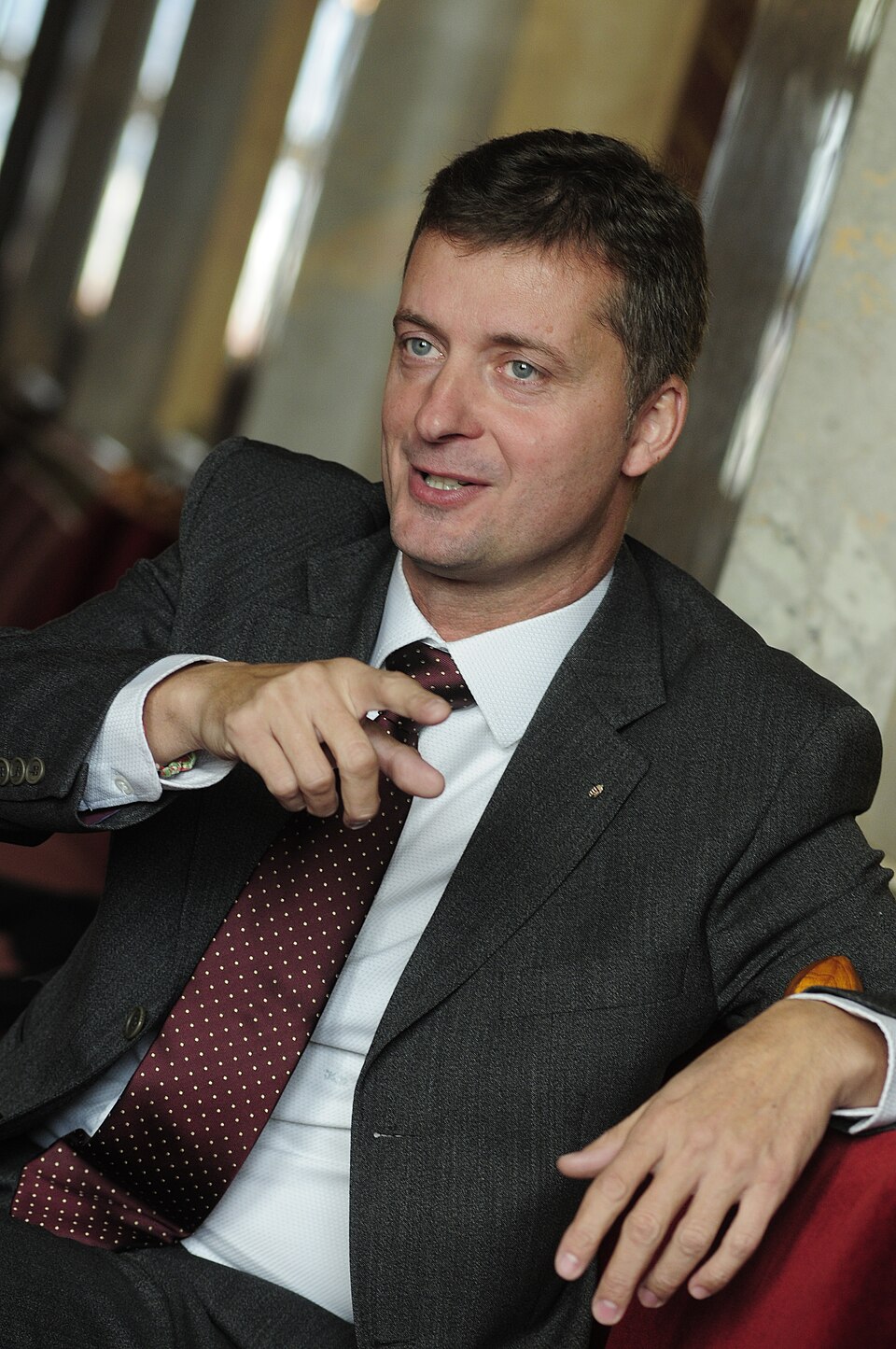
Gábor Kubatov
Gábor Kubatov is the architect of the notorious 'Kubatov list', an extensive voter database containing personal data and political preference information used as the backbone of Fidesz's micro-targeted campaign strategy. The creation and operation of this database raised serious concerns about the extent to which state-collected data and party databases have become intertwined, particularly in localities where local administration and party networks overlap closely. A 2022 Human Rights Watch report documented patterns of personal data misuse during the election campaign in detail. Kubatov continues to serve as Fidesz party director and remains one of the defining architects of the party's electoral machine.
János Lázár
His family accumulated hundreds of hectares in state land auctions widely criticised as rigged. Later caught buying more land around his "castle" with undeclared loans and false ownership claims, raising serious integrity questions about a senior government minister.
Gábor Liszkay
Orbán ally who built and led KESMA, the giant foundation that absorbed some 500 pro-government outlets in 2018, centralising control over much of Hungary's print, online and broadcast media. The transfer was declared a matter of "national strategic importance" to bypass competition review — one of the most brazen media capture operations in EU history.
Lotfi Begi
Performs at Fidesz party congresses and campaign events, providing entertainment and social-media content that builds a pop-culture halo around the ruling party. Appears in pro-government media as a celebrity supporter, legitimising Fidesz's politics among younger audiences. Part of a broader pattern of artists integrated into propaganda events that blur cultural life with party-state mobilisation.
Anikó Marsi
As co-host of Tények, repeatedly fronts segments mixing news with government messaging, including smear campaigns supporting Fidesz narratives. Appeared in multiple TV2 videos declaring she would vote for Orbán, explicitly urging viewers to follow, breaching basic impartiality standards and contributing to TV2's election fines. Continues to act as a high-profile face of a channel that routinely airs government war-scare spots and misleading "war or peace" framing as quasi-news content.
Ádám Matolcsy
Ádám Matolcsy personally benefited from real-estate projects and investment transactions tied to the MNB foundations that the State Audit Office subsequently criticised for poor returns and opaque decision-making. Investigations by Direkt36 and Telex revealed that he built a luxury property portfolio including Dubai villas, partly through structures that relied on private wealth vehicles intertwined with central-bank-linked foundations. His activities are an illustration of how publicly funded institutional assets could be converted into profit-generating ventures for private actors within the system overseen by his father. Investigations connected to the affair made clear by 2025 that a portion of the MNB foundation assets had flowed to business circles connected through the family relationship.
György Matolcsy
As Governor of the Hungarian National Bank, György Matolcsy diverted hundreds of billions of forints from central bank assets into the Pallas Athéné foundation network, claiming the funds had 'lost their public nature'. These foundations were later linked to fraud suspicions, with State Audit Office proceedings and a criminal investigation launched in 2025 demanding detailed accountability. During his tenure, real-estate and investment projects emerged whose beneficiaries included companies connected to his son, raising serious conflict-of-interest concerns. Matolcsy effectively turned the central bank into a parallel development agency, spending institutional funds lavishly on prestige projects while the MNB's independence and credibility were severely undermined.
Megafon Központ
Megafon Központ is a pro-government influencer network partially financed by state-linked and oligarchic sources that spent well over a million euros during campaign periods spreading hostile narratives against the opposition, civil society, and the EU. During the European Parliament election campaign, EDMO analysts documented how sponsored disinformation content was run across social media platforms, generating substantial revenue for the platforms themselves. The organisation's funding is formally attributed to 'private donors', but investigative reporting has traced significant indirect public-money origins in its financial background. Megafon's operations represent one of the most visible examples of the deliberate poisoning of Hungary's information environment, fundamentally undermining the conditions for free elections.
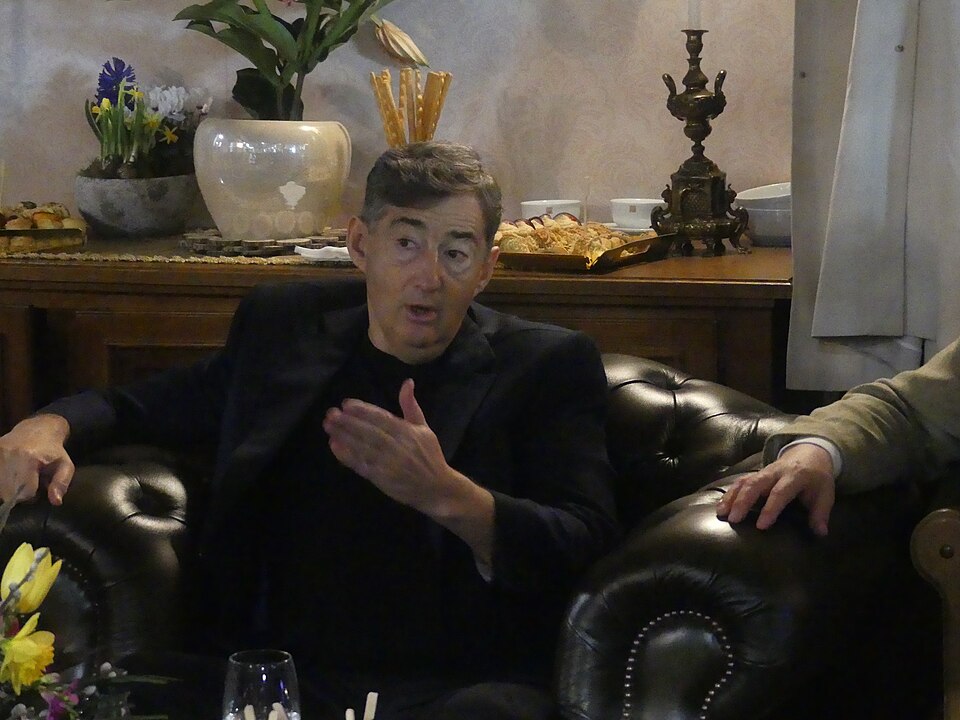
Mészáros Lőrinc
Lőrinc Mészáros rose from a small-town gas fitter in Felcsút to Hungary's wealthiest individual in the years following Fidesz's return to power in 2010, almost entirely through public procurement. His companies won hundreds of billions of forints worth of state-funded contracts annually, with up to 93 percent of early revenues traceable to European Union funds. The business empire expanded well beyond construction, encompassing media acquisitions that transformed formerly independent outlets into government-aligned propaganda organs. Anti-corruption investigators and EU auditors have documented the pattern as part of a broader kleptocratic system estimated to have siphoned up to €5.5 billion from European taxpayers into the Orbán inner circle.
Sándor Németh
As leader of the Faith Church, shifted from supporting liberal forces to a de facto alliance with Fidesz, with critics arguing the price was taming ATV's critical edge and turning it into a semi-loyal channel under government pressure. Uses apocalyptic religious language against opposition coalitions, describing a potential left alliance as a "monster empire" from the Book of Daniel, contributing to moral panic. Benefits from recognised-church status and state support that investigative reports suggest were leveraged to align a once-critical TV channel with government interests.
Szilárd Németh
Famously demanded Soros-funded NGOs be "swept out" of Hungary and labelled them "foreign agents", preparing the ground for legislation stigmatising and constraining independent watchdogs. His rhetoric was central to the legal and communicative assault on independent civil society organisations. His statements provided direct political cover for measures designed to marginalise and defund government-critical NGOs.
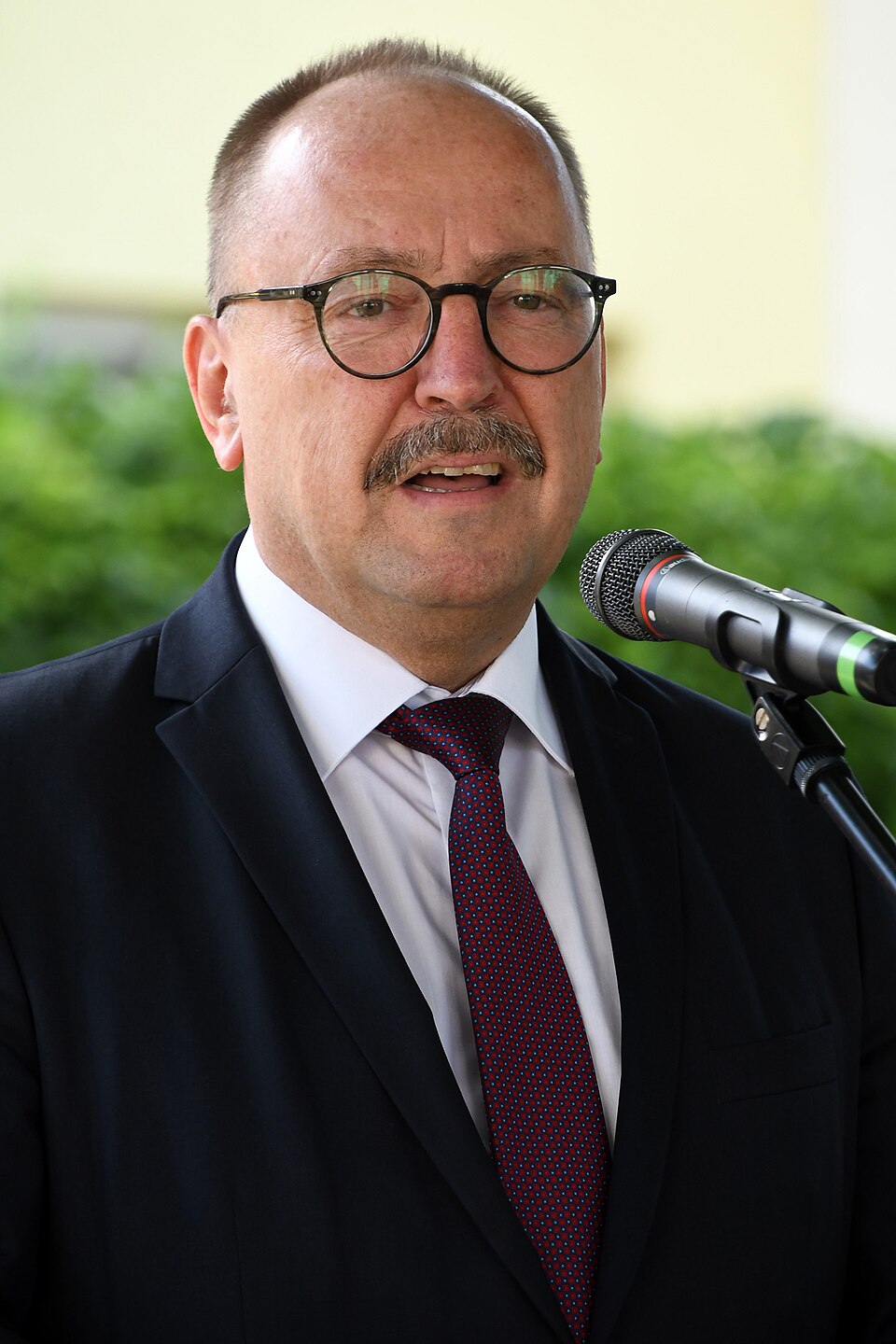
Németh Zsolt
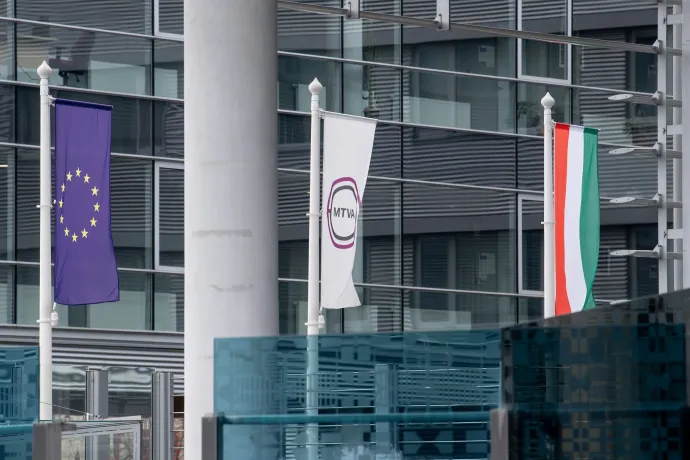
Zsolt Németh, as news director of the MTVA public broadcaster, has been identified through leaked audio recordings and colleague testimony as a key enforcer of pro-government editorial policy within Hungarian public media. His tenure has coincided with the systematic transformation of MTVA into a platform that broadcasts uniformly Fidesz-aligned narratives, particularly during election campaigns when balance obligations are most critical. The news output overseen under his direction has also promoted Kremlin-friendly framings of the war in Ukraine, undermining Hungary's stated commitments to Western solidarity. Most recently, MTVA under his oversight agreed to broadcast hardline Chinese Communist Party propaganda content, deepening the broadcaster's role as a conduit for authoritarian state messaging.
György Nógrádi
Became a ubiquitous "security expert" on public and pro-government TV despite serious questions about his expertise, consistently endorsing Fidesz and echoing Russian and government narratives on migration and foreign policy. Helps the government's media strategy by providing pseudo-expert justification for fear-based messaging about migrants and war. Continues to appear without meaningful challenge in state and KESMA media, contributing to the spread of Kremlin-aligned talking points during the Ukraine war.
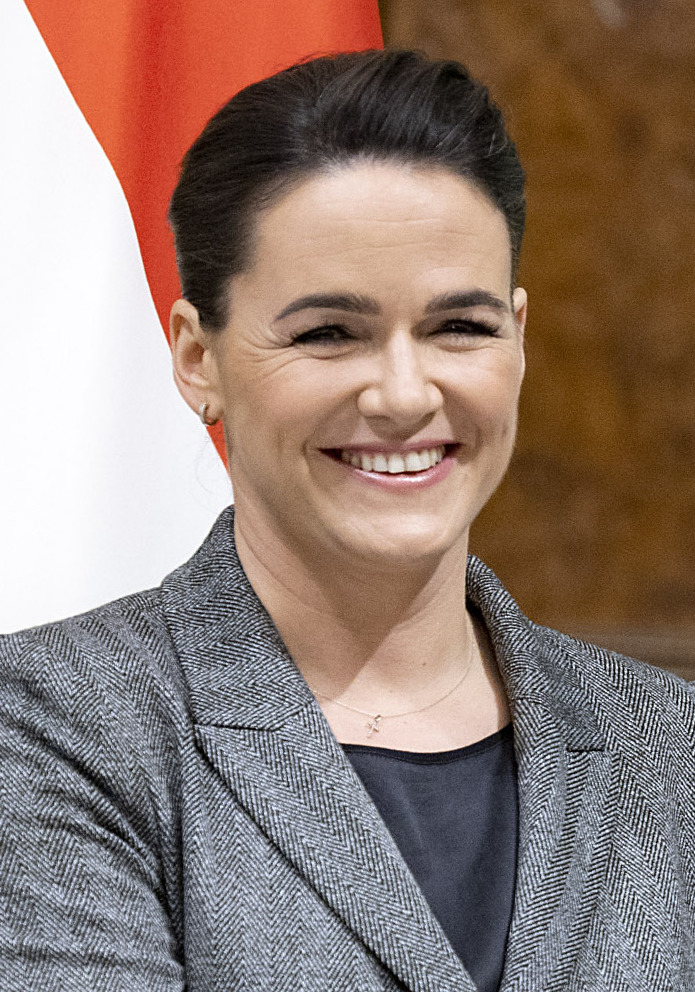
Katalin Novák
Resigned after pardoning a man convicted of helping cover up child sexual abuse in a state children's home. The pardon triggered mass protests and a major crisis over the hypocrisy of the regime's "child-protection" rhetoric, which had been used to justify anti-LGBTQ legislation.
Orbán Ráhel
Ráhel Orbán, as the daughter of Hungary's prime minister, leveraged her family position to gain substantial influence over the Hungarian Tourism Agency and state tourism policy while simultaneously building her own business interests in the sector. Her name became attached to the Budapest Influencer Trip campaign, in which more than one billion forints of public money were spent on bringing foreign social media influencers to Budapest, yet the visitors barely mentioned the city in their subsequent content. Separately, she acquired vineyard holdings in the Tokaj World Heritage region after state pre-emption rights that would have blocked private purchases were quietly removed for the properties in question. Investigative reporting stretching back to 2018 has consistently placed her within a broader pattern of the Orbán family's inner circle enriching itself through mechanisms tied to public resources and EU funds.
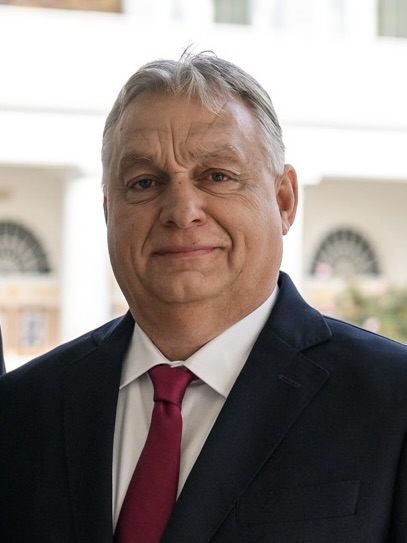
Viktor Orbán
Led the transformation of Hungary from a "free" to "partly free" regime through systematic media capture, court-packing, electoral engineering and rule-by-decree. Widely cited as the prototype of EU "illiberal democracy" and democratic backsliding. His system concentrates power around a single leader while maintaining the formal shell of democratic institutions.
Ilona Pálffy
Oversaw mail-in and absentee voting systems that later analyses flagged as having unexplained "missing" ballots and systemic vulnerabilities. Her tenure at the election office coincided with an electoral framework already skewed by Fidesz-made rules designed to entrench the ruling party's advantage. Her public statements on invalid postal votes drew scrutiny to the integrity of the voting infrastructure. The questions raised during her tenure remain largely unresolved.
Papp Dániel
Dániel Papp, as CEO of MTVA, became the face of the Hungarian public broadcaster's transformation into a government propaganda vehicle. He had previously drawn attention for manipulative editing practices, and under his leadership MTVA pursued a systematic pattern of broadcasting Kremlin-aligned narratives following Russia's invasion of Ukraine in 2022, while giving virtually no platform to the Ukrainian perspective. Media expert Gábor Polyák publicly called on the president of the Media Council to put an end to Russian propaganda in public media and to remove Papp from his position. The broadcaster he leads also signed a content agreement in 2024 with a hardline Chinese Communist Party propaganda channel, making MTVA a conduit for authoritarian messaging from multiple foreign state sources simultaneously.
Sándor Pintér
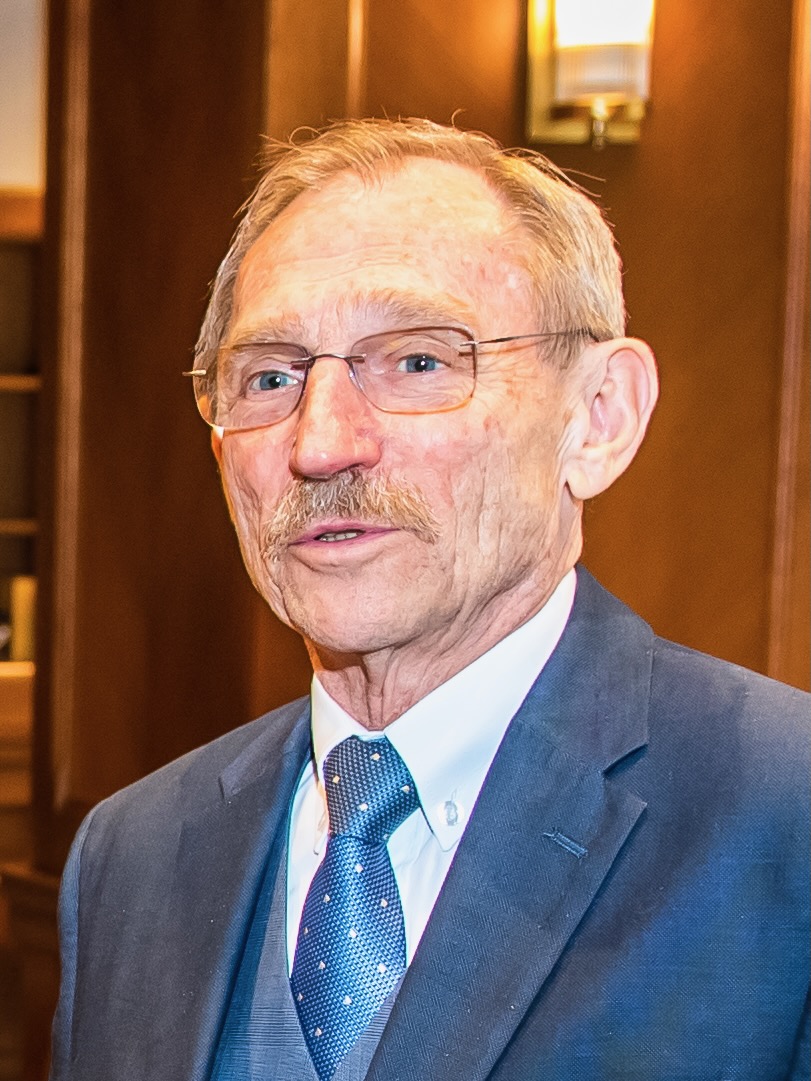
Long-time interior minister repeatedly linked in investigative reporting to the organised-crime "mafia wars" of the 1990s, including being present at a mob-related assassination attempt and allegedly removing a weapon from the scene. Heads a security apparatus accused of intrusive surveillance practices, including the Pegasus spyware scandal where journalists, lawyers and government critics were reportedly targeted. Oversees police forces implicated in heavy-handed responses to protests, raising concerns about the politicisation of law enforcement.
Zoltán Pokorni
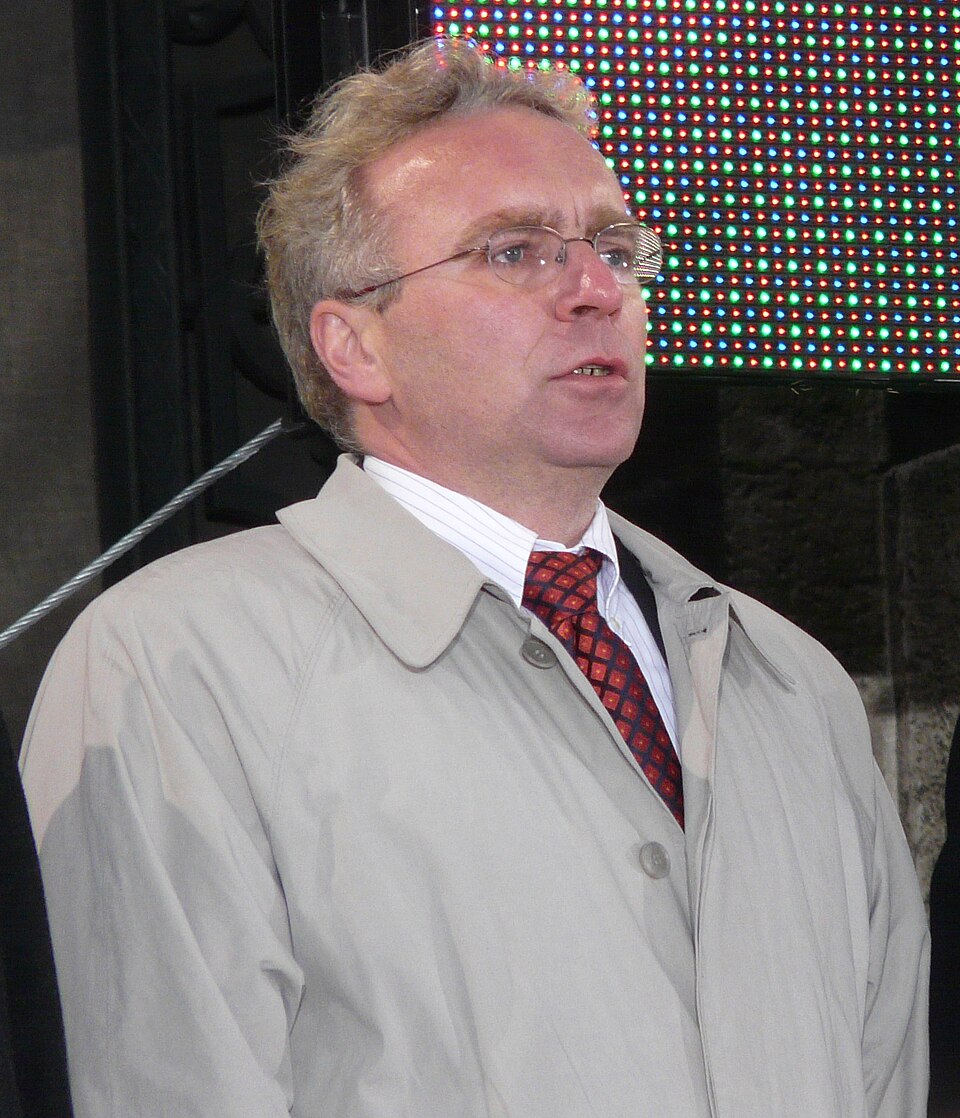
Long defended the controversial Turul monument where names of victims and perpetrators of wartime atrocities were mixed. It emerged his own grandfather, previously listed as a victim, had been an Arrow Cross member implicated in murders. For years resisted calls to rethink the monument's concept, contributing to the whitewashing of local fascist perpetrators before partially acknowledging the problem under heavy pressure. Represents a broader pattern of selective memory politics in Fidesz-controlled municipalities.
Péter Polt
Re-appointed by Fidesz supermajority on extended 9-year terms; systematically fails to pursue high-level corruption and selectively lets sensitive cases die in his office. Widely described as the institutional guarantor of impunity for regime-connected corruption.
Zsófia Rácz
Appointed as deputy state secretary for youth at age 22, after the government changed the law to allow appointment without a university degree, signalling the primacy of political loyalty over experience. Built her career via the Fidesz-aligned Alapjogokért Központ and youth diplomacy, reinforcing the party's influence over youth structures. Her appointment was widely criticised as emblematic of the regime's nepotistic and loyalty-based staffing of key state positions.
Rákay Philip
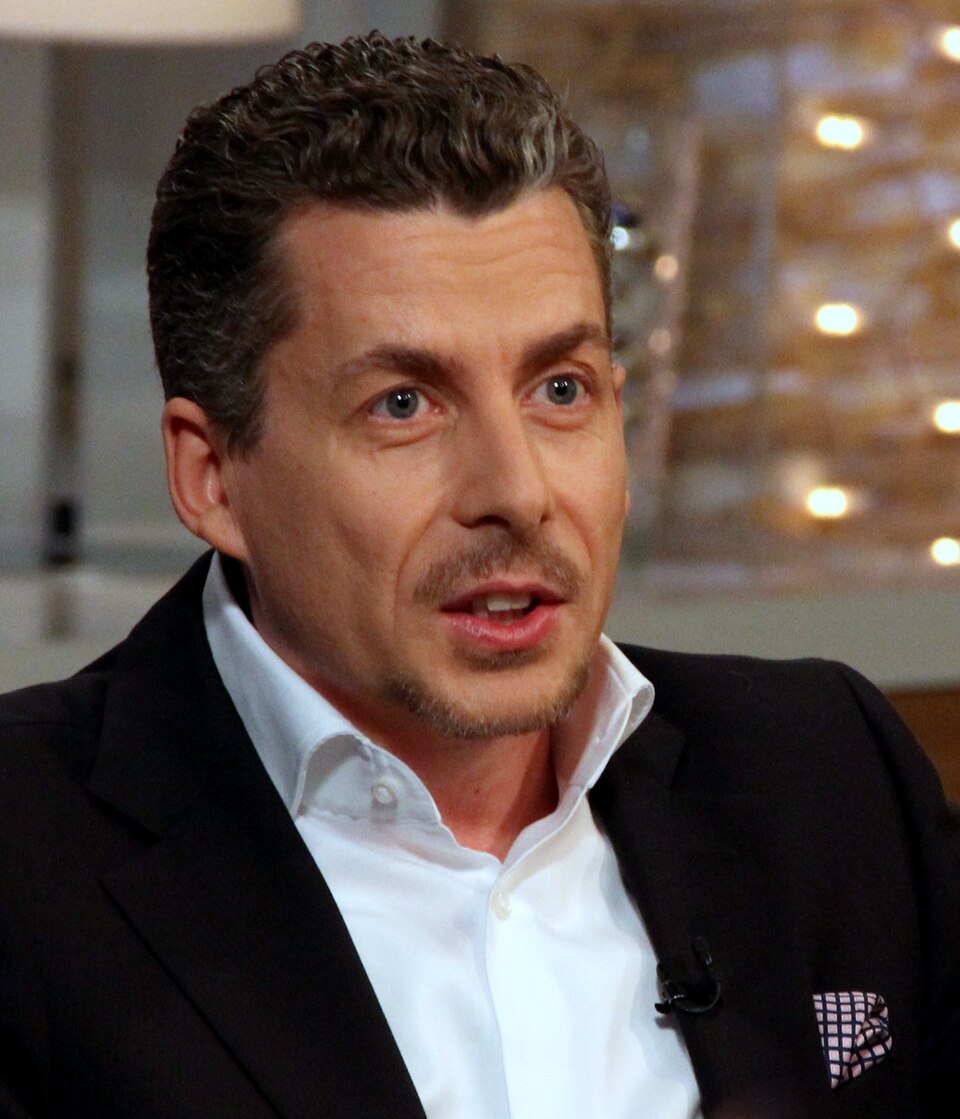
Philip Rákay has emerged as one of the most prominent figures in Fidesz's cultural propaganda apparatus, combining the roles of film director, media personality, and ideological content producer. His mega-budget historical films, bankrolled with billions of forints in public money, have drawn serious criticism from professional historians for significant factual distortions, including the depiction of weapons in the 1848 Petőfi film 'Most vagy soha!' that did not yet exist at the time. He is closely tied to the Megafon content promotion network, which received hundreds of millions of forints from private donors and uses sponsored posts to amplify government-aligned personalities and productions. His career represents the deliberate fusion of entertainment, national mythology, and state propaganda, with public funds serving as the mechanism for manufacturing and distributing ideologically useful content.
Zoltán Rákosfalvy
Key player in shady Audi land deals and offshore structures connected to the Borkai scandal. Co-traveller on the infamous yacht. Owns a luxury Balaton apartment in the same building as chief prosecutor Polt, illustrating the close ties between business, politics and the prosecution.
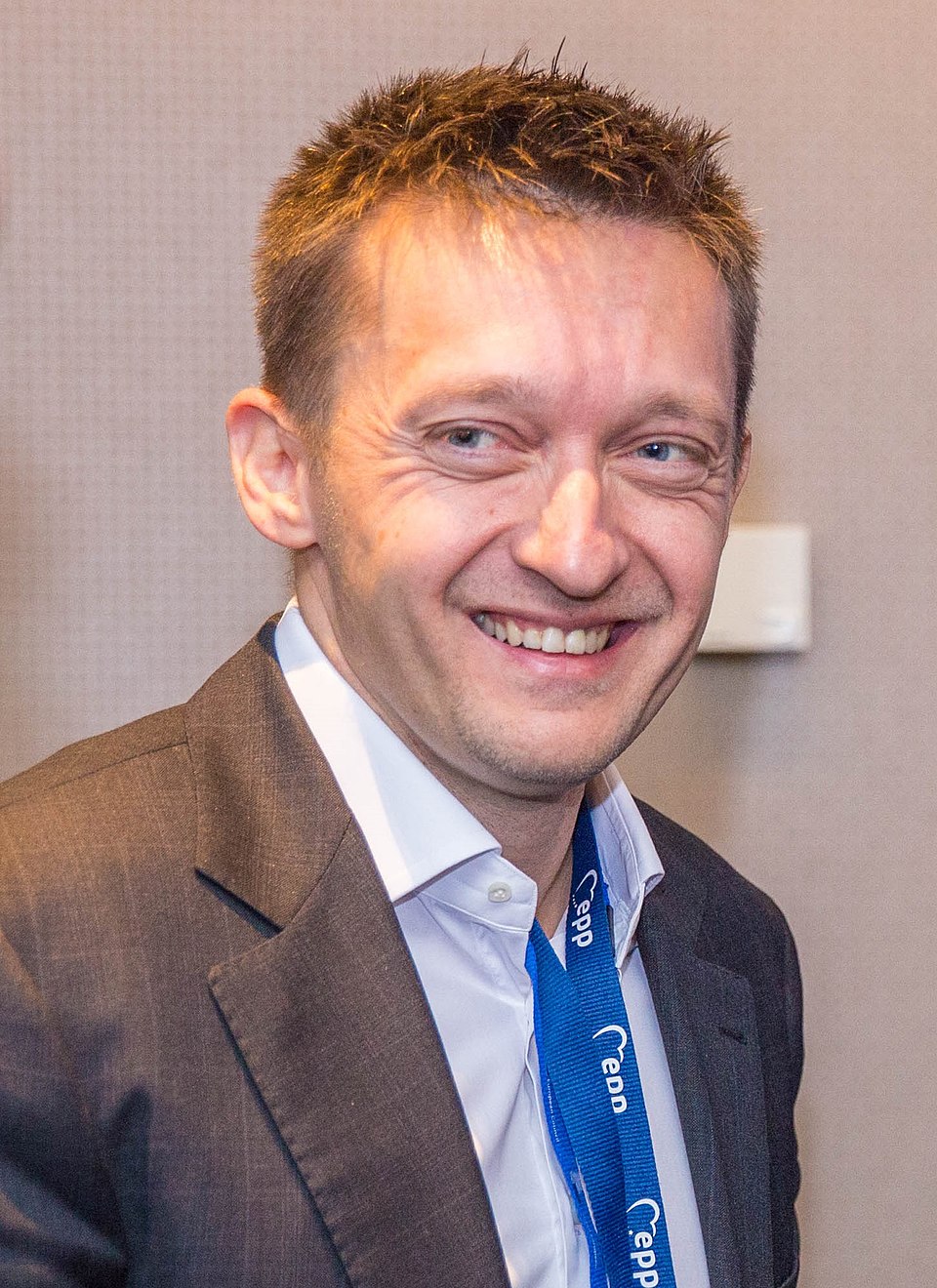
Rogán Antal
Antal Rogán, as head of the Cabinet Office of the Prime Minister, built and controls the state propaganda machinery through which vast sums are channeled into loyal media outlets and government-aligned communications firms. In January 2025, the U.S. Department of the Treasury designated him under the Global Magnitsky Act for involvement in significant corruption — making him the first sitting member of the Hungarian government to be subjected to such measures. His name had previously been linked to the controversial residency bond program and to government communication tenders widely regarded by investigators and journalists as vehicles for corrupt enrichment. Rogán's role within the Fidesz system is dual in nature: he simultaneously oversees the distribution of government messaging and coordinates the financial mechanisms that sustain the ruling party's media dominance.
György Schadl
Accused of running a kickback system selling bailiff licences and paying state secretary Völner to secure appointments. Prosecutors say he extracted nearly 1 billion forints in bribes from bailiffs seeking positions. The case reveals how the Fidesz patronage system operates at the institutional level, penetrating deep into the judicial enforcement apparatus. It stands as one of the most significant corruption prosecutions in Hungary in recent years.
Lajos Simicska
Longtime Orbán ally who dominated public construction and media via state contracts, representing the original model of Fidesz-linked oligarchic enrichment. His break with Orbán in 2015 cleared space for the Orbán family's own business networks and newer loyalist oligarchs like Mészáros.
Somlai Bálint
Bálint Somlai emerged as a key figure in the business network surrounding the National Bank of Hungary (MNB) through his close association with Ádám Matolcsy, son of central bank governor György Matolcsy. According to state audit findings, his companies derived between 70 and 95 percent of their revenues from the central bank or from MNB-linked foundations, a level of dependence that raises fundamental questions about competitive market conduct. He secured prestige real estate and construction projects that were exempted from normal public procurement procedures, allowing contracts financed with public money to be awarded without competitive tendering. The State Audit Office investigation launched in 2025 into MNB foundation spending has implicated the broader network in which Somlai operated, with investigative reporting consistently placing him at the centre of schemes through which public funds were routed into private enrichment.
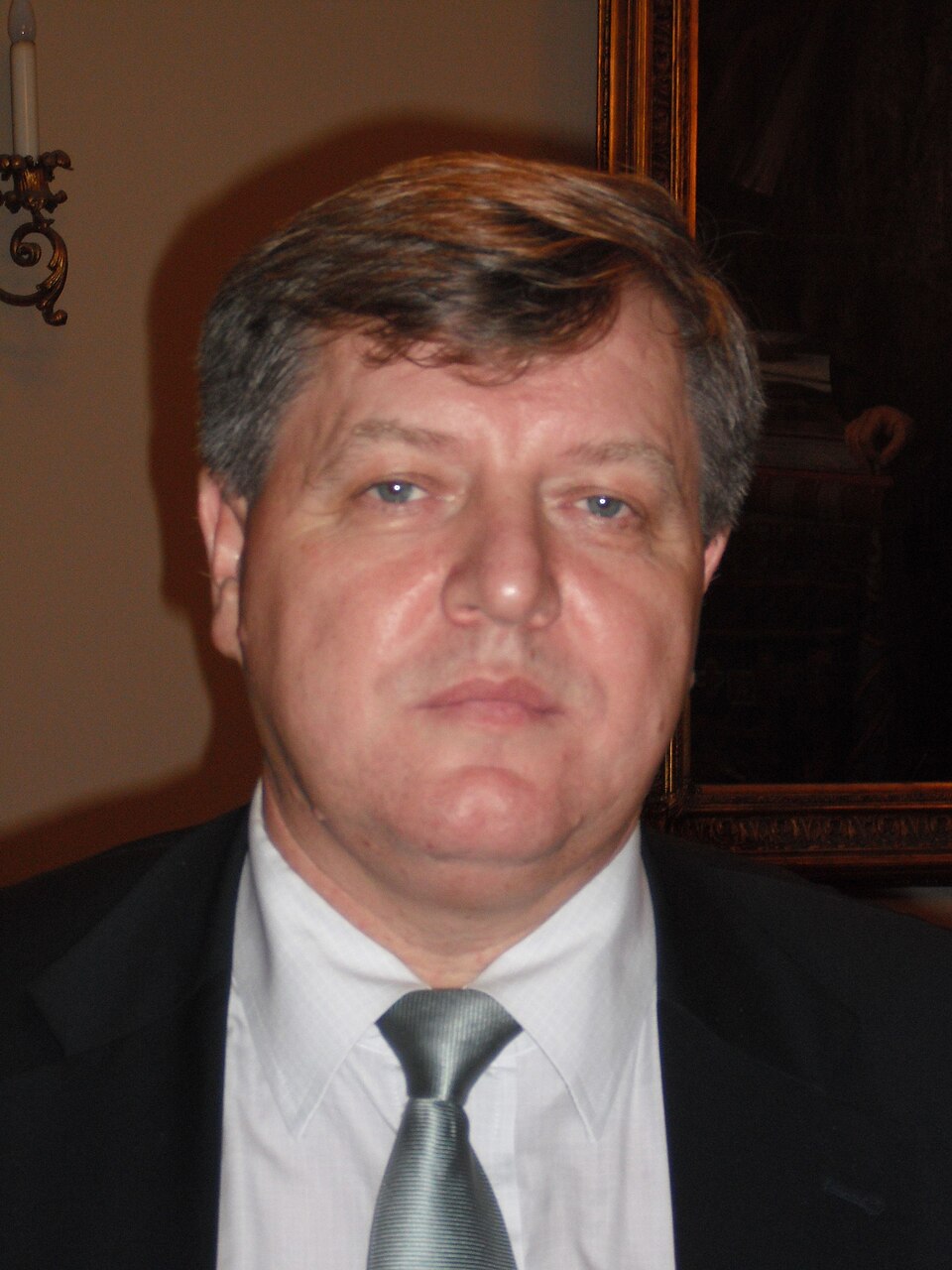
István Stumpf
Long-time Fidesz strategist placed on the Constitutional Court solely with governing-party votes. Advocates a "strong state" model that legitimises the illiberal constitutional system, providing intellectual justification for the concentration of executive power.
József Szájer
Co-author of Hungary's Fundamental Law and prominent anti-LGBTQ politician who was caught fleeing a lockdown-breaking Brussels gay orgy with drugs in his possession. The scandal became a global symbol of the regime's moral hypocrisy and double standards, given his role in drafting anti-LGBTQ constitutional provisions.
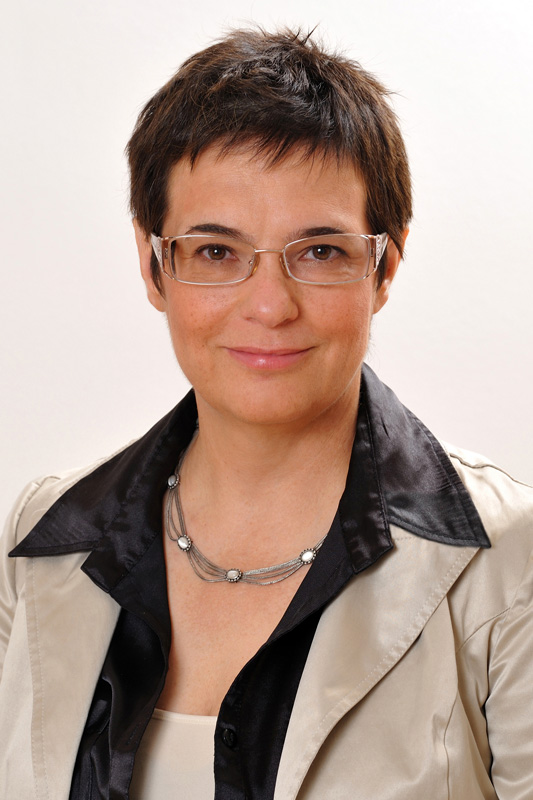
Annamária Szalai
Former Fidesz MP personally appointed by Orbán to head the new media authority with sweeping powers. Used her position to tilt radio licences and media oversight in favour of Fidesz-aligned outlets, building one-party control of broadcast regulation from the ground up.
Vivien Szalai
As TV2 news director, oversees a newsroom that has become a central pillar of pro-government propaganda, regularly running smear campaigns and partisan stories under the guise of news. Appeared in the TV2 pro-Orbán campaign video and later falsely claimed no one told viewers whom to vote for; media watchdogs exposed the lie by showing the closing frame explicitly urging "Vote for Viktor Orbán". Her channel repeatedly violated election-law rules on political advertising by news anchors, resulting in fines but continuing the practice in subsequent campaigns.
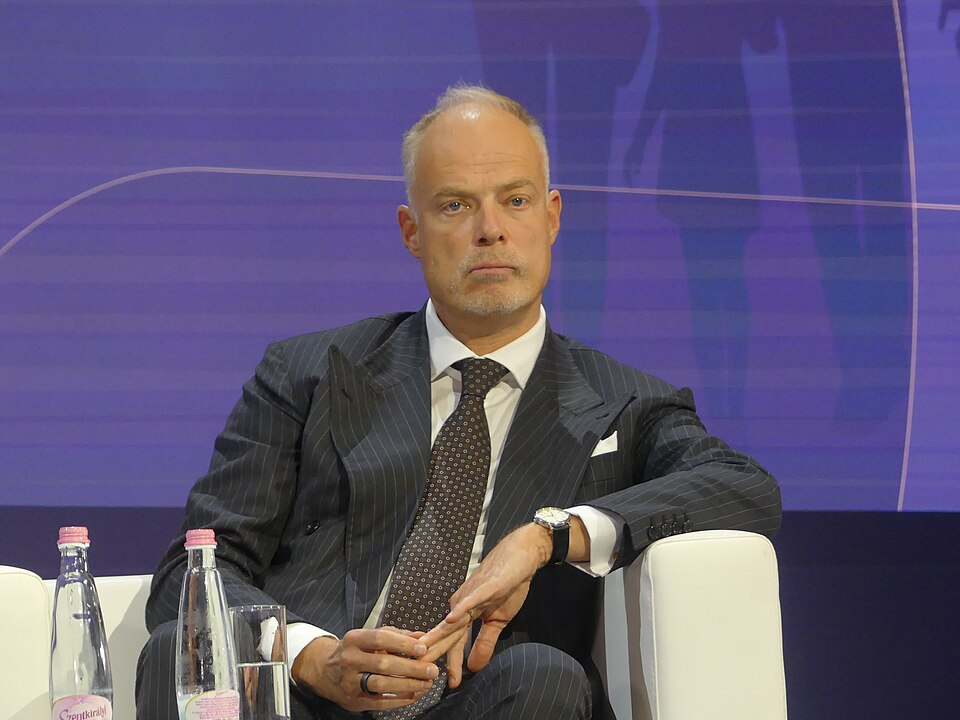
Kristóf Szalay-Bobrovniczky
Szalay-Bobrovniczky was appointed Minister of Defence despite holding substantial private business interests directly tied to defence-related and Russian-linked companies, raising acute conflict-of-interest concerns for a NATO member state. Using a loan from the Hungarian Development Bank, he acquired a majority stake in Czech aircraft manufacturer Aero Vodochody while simultaneously overseeing Hungarian military procurement as minister. He also maintains ownership interests in ventures connected to Transmashholding Hungary, a Russian-Hungarian railway consortium operating under a bilateral cooperation framework. His case is widely cited as an egregious failure to separate public office from private financial gain.
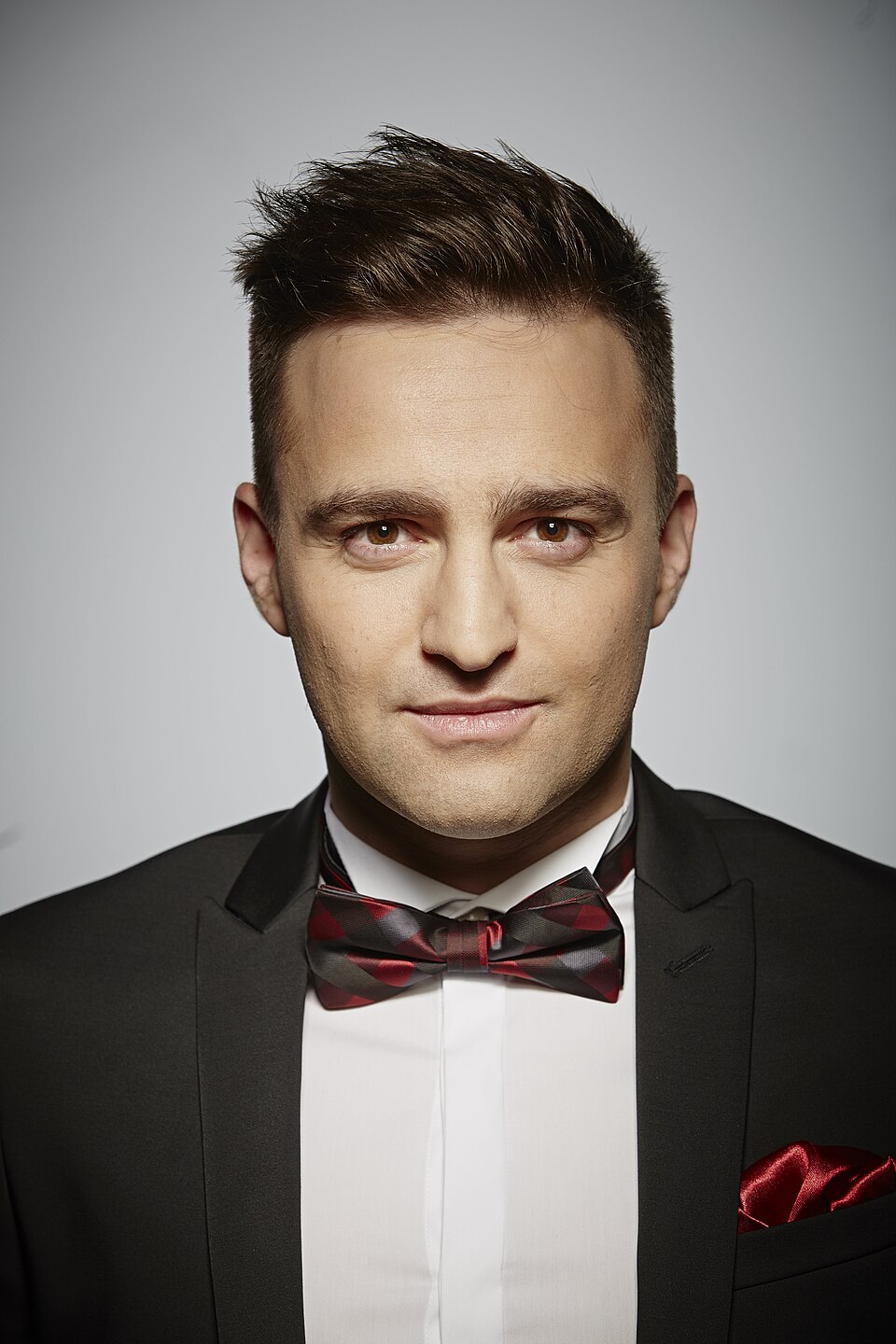
Vajk Szente
Szente Vajk is a leading creative figure in regime-aligned Hungarian filmmaking, whose work is characterised by ideologically tinged productions that promote simplified national narratives consistent with government messaging. As co-writer of 'Most vagy soha!', he is associated with large-budget state-funded projects that have drawn criticism for historical inaccuracies and propagandistic framing, including scenes featuring weapons that did not exist in 1848. His productions benefit from a film-funding ecosystem that structurally favours government-friendly creatives, channelling public resources toward politically palatable content. His professional advancement is closely tied to a cultural policy that redirects state financing away from independent artistic voices.
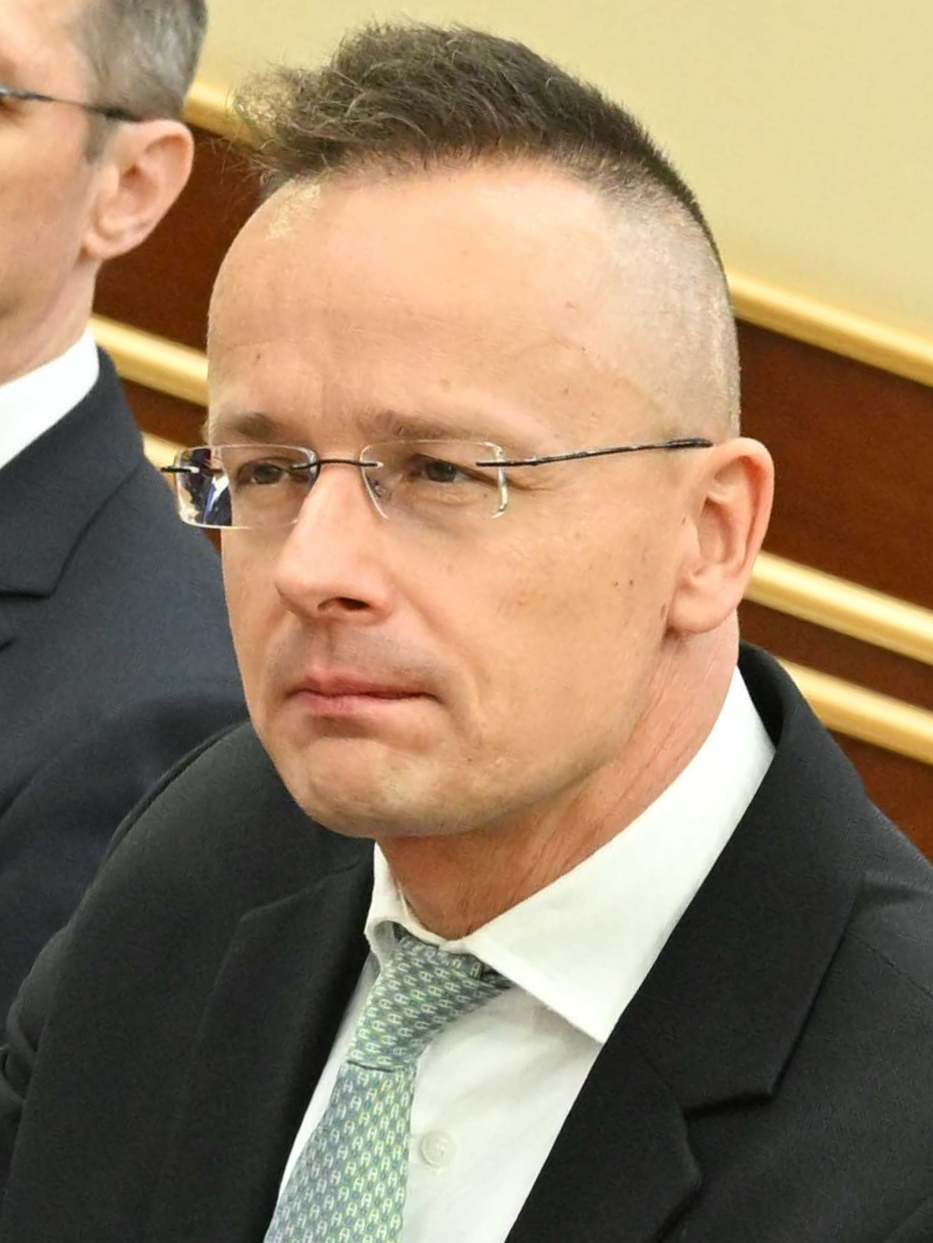
Péter Szijjártó
As foreign minister, Szijjártó repeatedly accepts luxury yacht trips and private jet travel provided by oligarchs who hold major state contracts, creating an evident conflict of interest between his official duties and his personal associations. In 2020 he was photographed aboard a luxury yacht in the Adriatic at the height of the Belarus crisis, while official communications implied he was working from his office. He maintains close ties with business figures who profit substantially from state and EU-funded infrastructure projects, blurring the line between public policy and private enrichment. Concurrently, his vigorous defence of Hungary's economic relationships with Russia and China raises serious strategic concerns within the country's NATO and EU obligations.
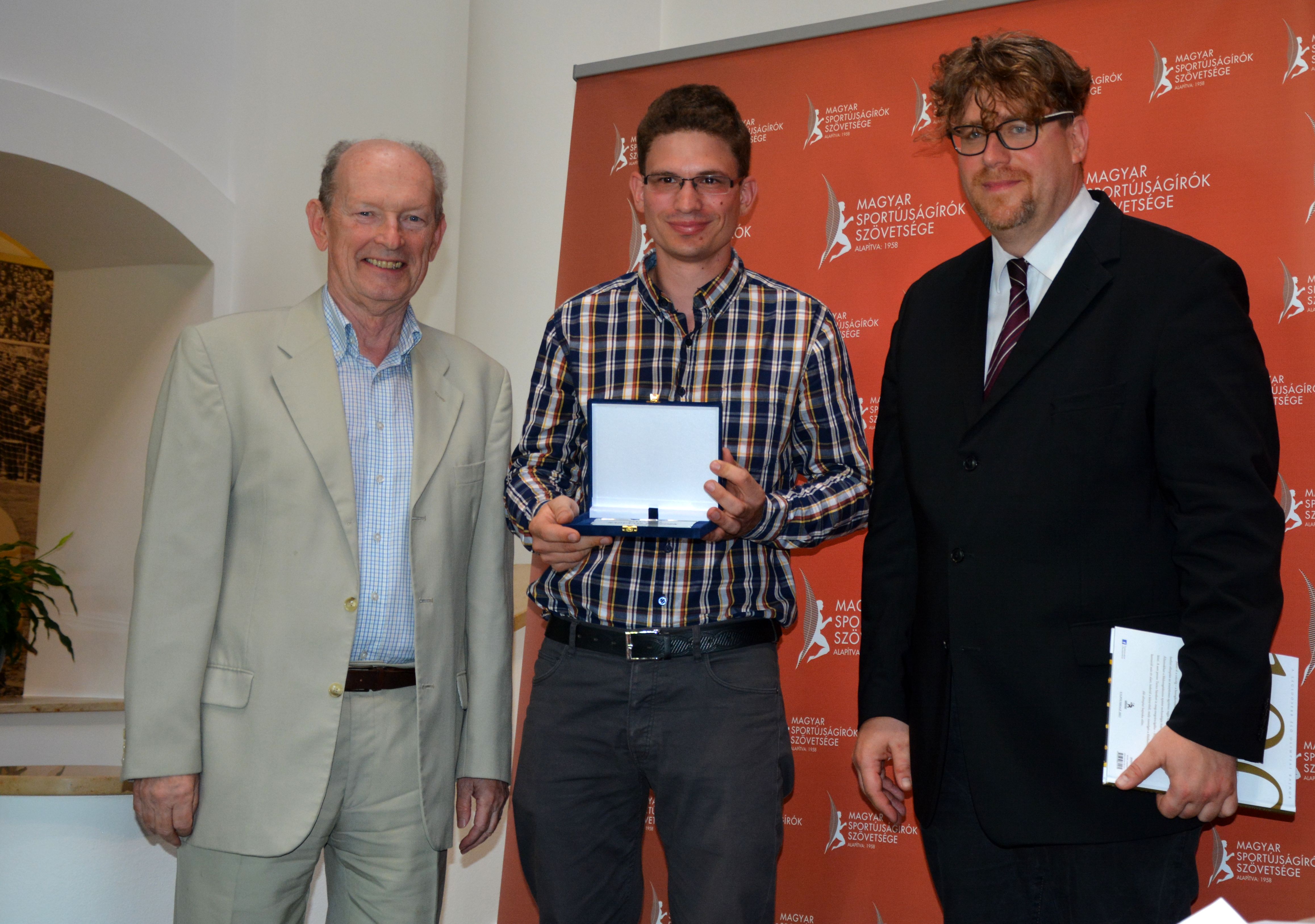
György Szöllősi
Szöllősi György moved from his role as communications director at Puskás Akadémia to become editor-in-chief of Nemzeti Sport, in the process transforming Hungary's leading sports daily into a prominent media supporter of Orbán's football project. Through his editorship he consistently normalises a funding model in which elite sport is financed primarily through state TAO subsidies and tax incentives, crowding out voices that question the scale of stadium construction spending. Critics of the sports-financing system are routinely framed as opponents of national progress, performing ideological work for the government by fusing football investment with patriotic identity. His career trajectory is a clear illustration of how political power leverages sports media to legitimise its policy narratives.
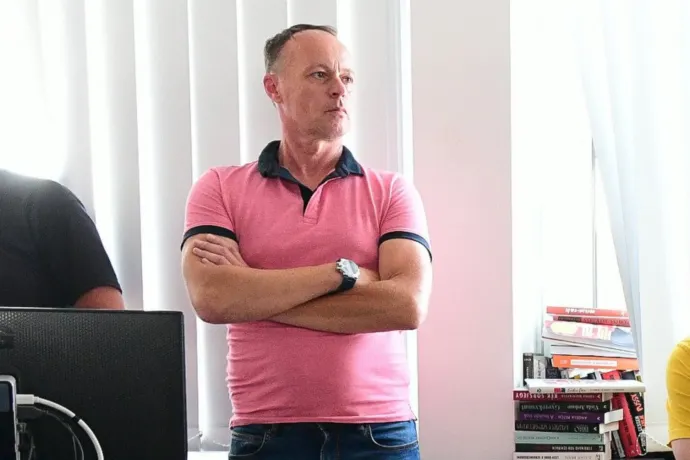
Pál Szombathy
Pál Szombathy served as CEO of Index.hu during the critical phase of its independence crisis, presiding over the sequence of events that culminated in the mass resignation of more than seventy journalists. The editorial staff departed after it became clear that the ownership and management structure of the outlet had been reconfigured at the expense of editorial independence. Szombathy's appointment and conduct illustrate the tactic by which interests aligned with the government dismantle independent media from within, by installing loyalists in key positions rather than through overt censorship. The Index affair is considered a landmark episode in the documented erosion of press freedom in Hungary.
István Tiborcz
Tiborcz István's name is inseparably linked to the Elios Innovatív Zrt. street-lighting scandal, in which the EU's anti-fraud office OLAF found serious irregularities and bid-rigging in public procurement procedures; Hungary repaid substantial sums to the EU budget but no domestic criminal proceedings followed. Despite his relatively young age, he has accumulated considerable wealth through state-linked property and tourism deals conducted under opaque terms and conspicuously favourable conditions. As Viktor Orbán's son-in-law, he has become the symbolic embodiment of the fusion between family and state interests, with his companies benefiting almost exclusively from opportunities facilitated by government proximity. His case is among the most thoroughly documented examples of how Hungary's oligarchic system operates, attracting sustained scrutiny from both domestic investigative media and international outlets.
László Trócsányi
Key architect and international defender of constitutional and judicial changes criticised for weakening checks and balances. Argued the EU should stay out of "internal" Hungarian rule-of-law issues, providing intellectual cover for illiberal reforms at the European level.
Gergely Váczi
TV2 presenter who took part in the 2018 and 2022 pro-Fidesz videos where news staff declared their intention to vote for Orbán and encouraged viewers to follow, undermining minimal standards of editorial neutrality. Continues to front content on a channel that pushes paid and unpaid pro-government messaging, including war-scare Facebook spots branded as "Tények Extra". Serves as another example of how individual media faces lend personal credibility to partisan campaigns in an environment with weak regulatory enforcement.
András Zs. Varga
A proven Fidesz loyalist installed as chief justice without prior experience as an ordinary judge, against the will of judicial self-governance bodies. His appointment packed the top court with regime allies for a 9-year term, further eroding judicial independence.
Judit Varga
Central political defender of rule-of-law backsliding, attacking EU reports as "absurd and untrue". Refused to cooperate with the Pegasus inquiry into illegal surveillance of journalists and opponents. Her ministry actively blocked transparency and accountability mechanisms.
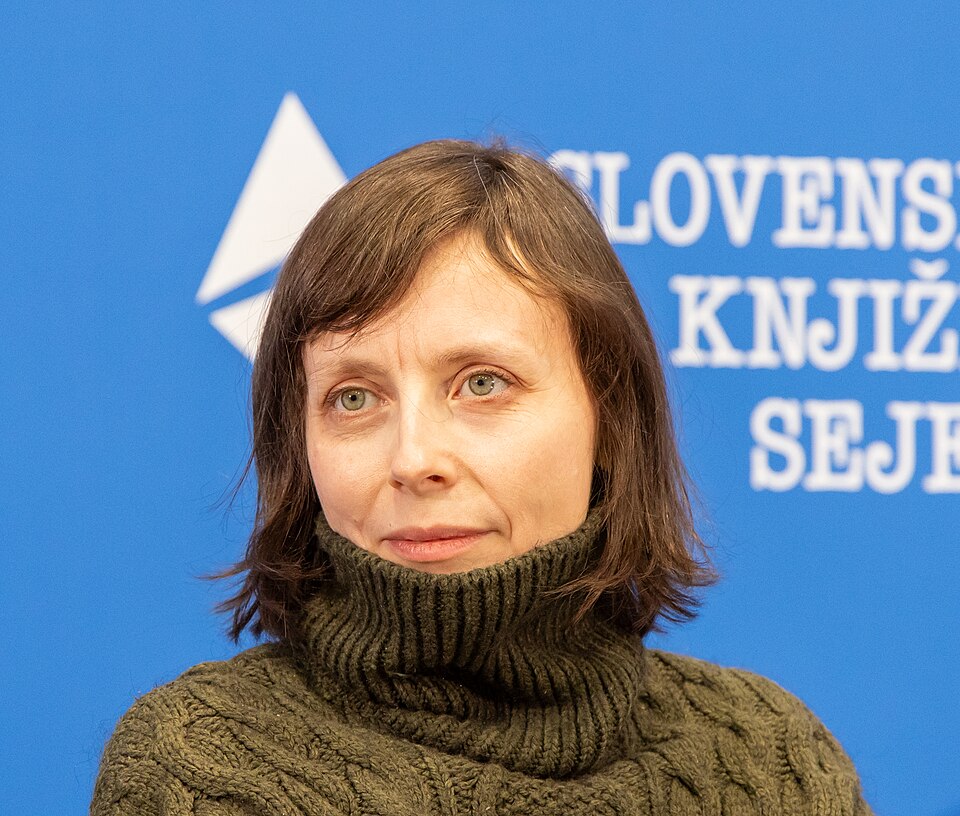
Attila Várhegyi
Attila Várhegyi received a final court conviction for embezzlement and related offences connected to a fictitious invoicing scheme operated through Mahir Szolnok Kft. during the 1990s, and was handed a suspended prison sentence. Despite this criminal conviction, he continued to function as an important party insider within Fidesz, providing an early signal that misconduct by party-linked figures would not necessarily carry political consequences. His case set a formative precedent for the culture of impunity that would deepen in subsequent decades, demonstrating that even a judicial finding of guilt need not result in exclusion from the party's inner circle. The affair remains a reference point for analysts tracing the long roots of corruption tolerance within the Fidesz political family.
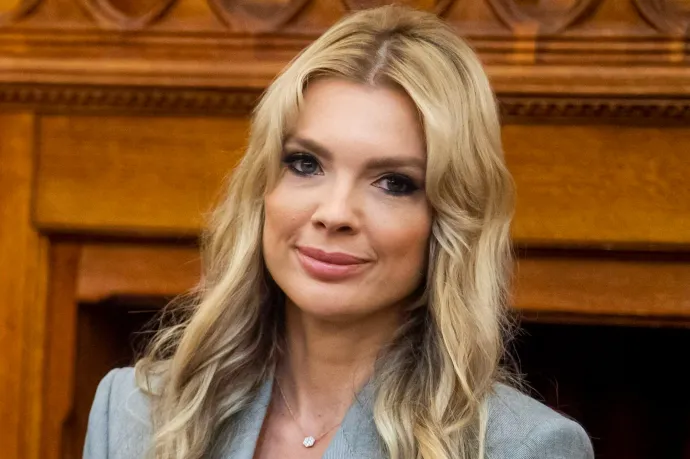
Miklós Vaszily
Miklós Vaszily played a central role in converting the independent Origo news portal into a pro-government mouthpiece, a transformation that triggered the departure of many of the outlet's leading journalists. He subsequently acquired influence over Index.hu through Indamedia and held senior positions at state media, TV2, and Echo TV — all key nodes in the Fidesz media empire. His career is an integral element of a broader media-capture strategy in which state advertising allocation and ownership changes are used to structurally marginalise critical journalism across the Hungarian media landscape. His trajectory illustrates how editorial appointments, corporate ownership, and access to state resources function as mutually reinforcing mechanisms in the systematic dismantling of independent press.
Vilmos Velkovics
HírTV host who uses his programme to aggressively promote the government's war-related narratives, including invoking Nazi propaganda examples in ways critics describe as whitewashing or trivialising historical crimes to justify current messaging. Contributes to the radicalisation of pro-government audiences by presenting hardline positions as common sense while demonising opposition and Western actors. Part of a cohort of talk-show hosts in Fidesz-aligned channels whose shows mix disinformation, historical relativisation and personal attacks.
Eszter Vitályos
As Fidesz MP and government spokesperson, was promoted on large billboards by a "civil" association that received 10 million forints in state funding, effectively channelling public money into her personal brand-building. Campaigned in 2022 with grandiose infrastructure promises that investigative follow-ups found only partially or not at all fulfilled, highlighting a pattern of over-promising. Uses the government spokesman role to aggressively defend Fidesz policies while glossing over systemic misuse of public funds documented by watchdogs.
Pál Völner
Charged in a major corruption case for allegedly taking regular bribes from the head of the bailiffs' chamber in exchange for arranging appointments and state favours. His case is one of the rare instances where the Hungarian prosecution actually pursued a Fidesz-connected official, likely because the evidence was overwhelming. He resigned his parliamentary seat and left Fidesz after the allegations became public.